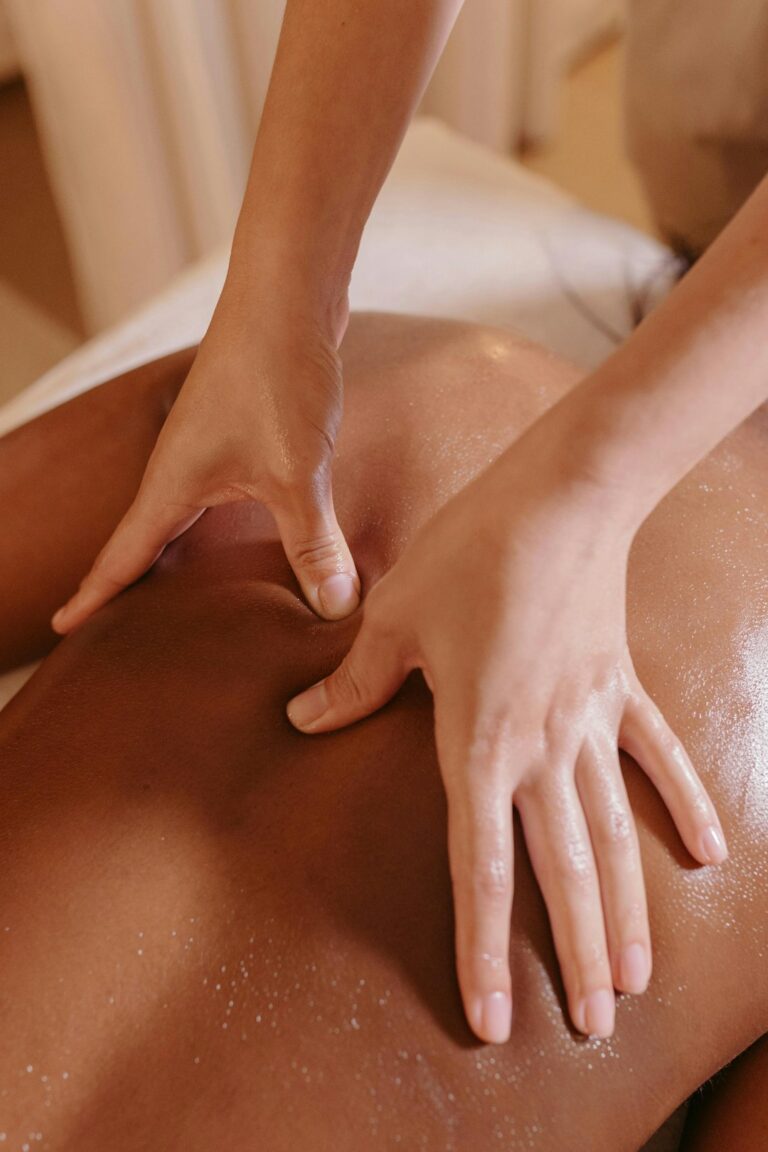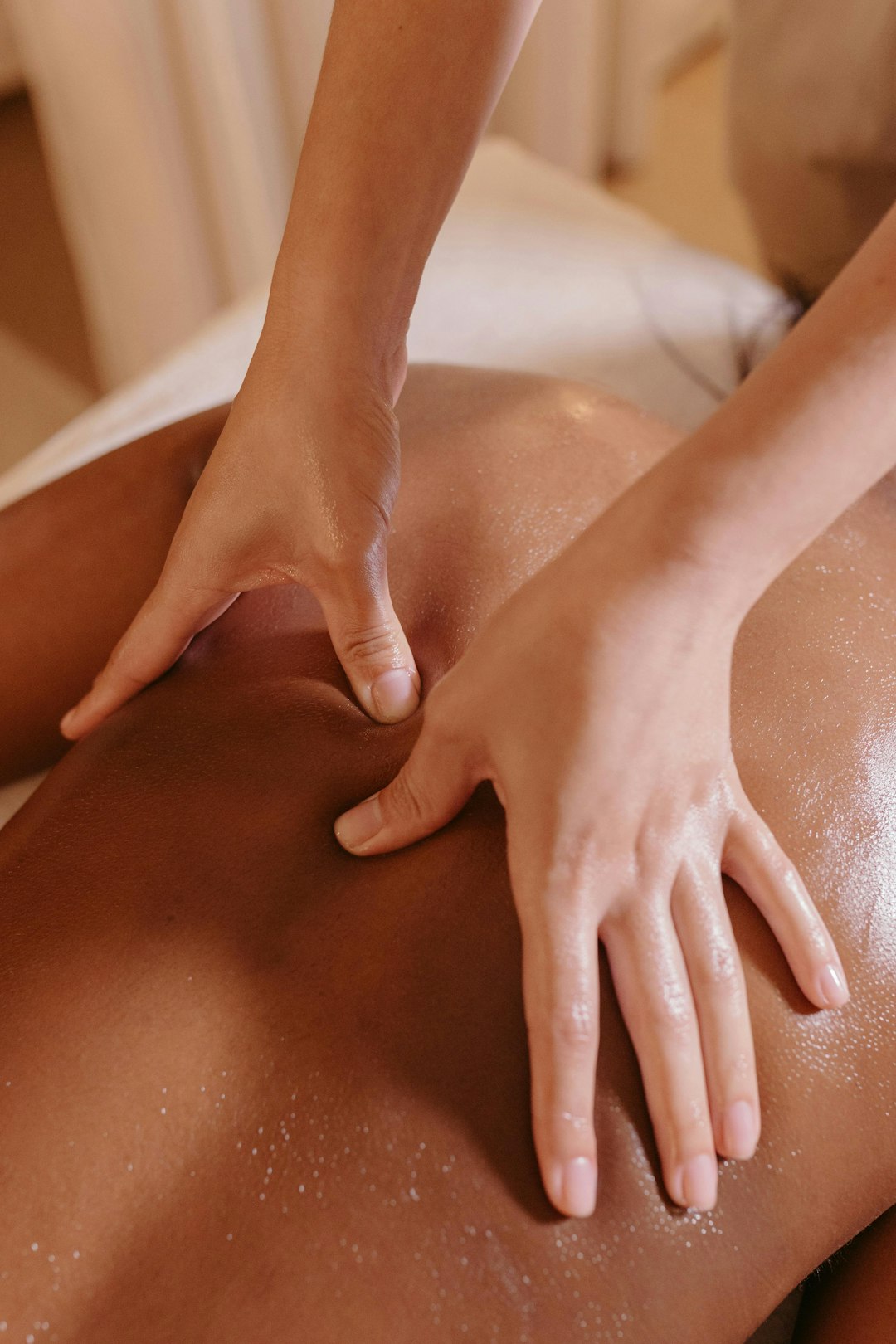

The lymphatic system collects excess fluid from tissues and returns it towards the circulation. It also contributes to immune activity, with lymph nodes filtering fluid in areas such as the neck, armpits and groin. Surgery, damaged vessels, injury, infection or other health conditions can interfere with that process. The resulting lymphoedema may cause heaviness, tightness, reduced flexibility or a feeling that clothing fits differently on one side. A practitioner providing lymphatic drainage should explain what they are looking for, what the treatment can reasonably address and when referral is more appropriate.
An assessment may begin with questions about when the swelling started, whether it fluctuates, previous operations, cancer treatment, medications and any history of infection or blood clots. The practitioner may compare both limbs, inspect the skin and ask how movement, heat, standing or elevation affect symptoms. After lymph nodes have been removed or treated, a therapist may use gentle strokes near unaffected areas before addressing the swollen region. The intention is to work with functioning pathways, not to force fluid through tissue with heavy pressure. Treatment should be adjusted if touch causes pain, dizziness or distress.
MLD is often considered alongside practical measures rather than as a stand-alone answer. Regular movement can support muscle activity, while careful skin care may reduce the chance that a small crack or insect bite develops into an infection. Position changes and elevation may help some people, although their effect varies by cause. Compression garments or bandaging can limit the accumulation of fluid for some conditions, but fit, pressure and timing matter. Buying a garment based only on an online size chart can lead to discomfort or ineffective support, so fitting advice should come from an appropriately trained clinician.
Not every enlarged limb reflects lymphatic fluid. Lipoedema, for example, involves an unusual distribution of fatty tissue and commonly affects both legs, sometimes the arms as well. Bruising, tenderness and a clear difference between the upper and lower body may be part of the history, but assessment still needs to consider other causes. MLD may help some people manage discomfort or swelling associated with lipoedema, yet it does not remove lipoedema tissue or cure the condition. A useful consultation avoids assumptions based on body size and asks about walking, clothing, fatigue, pain and daily tasks.
Provider qualifications and clinical experience are worth checking before an appointment. Ask whether the practitioner regularly sees lymphoedema, lipoedema and post-operative swelling, and whether they can coordinate with a doctor, nurse or physiotherapist if the presentation is uncertain. It is reasonable to ask what happens during the first visit, how consent is handled, whether treatment can be performed in a different position and how progress will be recorded. Bringing an operation letter, discharge summary, medication list or previous diagnosis can prevent repeated questions and help the practitioner avoid unsuitable techniques.
The treatment environment should accommodate the person, not require the person to endure an awkward setup. Someone recovering from surgery may need help getting onto a table, extra pillows or a shorter session. A person living with chronic pain may prefer touch to be introduced gradually, with clear permission before each new area is treated. People in larger bodies may need a stable surface, adequate room to move and equipment that supports them safely. Asking about these details in advance is sensible. Information about inclusive lymphatic swelling care can also help frame questions about access, privacy and communication.
Seek prompt medical advice if swelling develops suddenly, is hot or red, becomes intensely painful, follows a significant injury or occurs with breathlessness or chest pain. Those features can require assessment for infection, a clot or another urgent problem, and MLD should wait until the cause is considered. For less urgent, persistent swelling, note the time of day symptoms increase, whether both sides are affected, which activities make them worse and whether shoes or clothing leave marks. Those observations, together with surgical records and medication details, give the practitioner a clearer basis for deciding whether MLD is suitable and what other care may be needed.