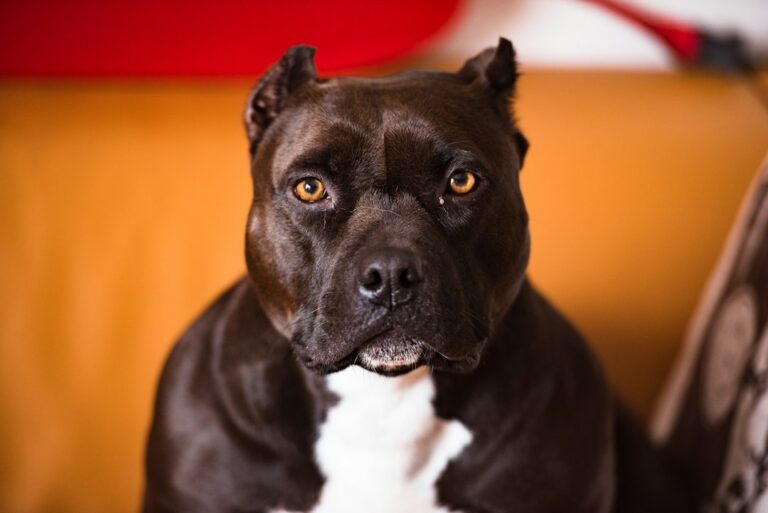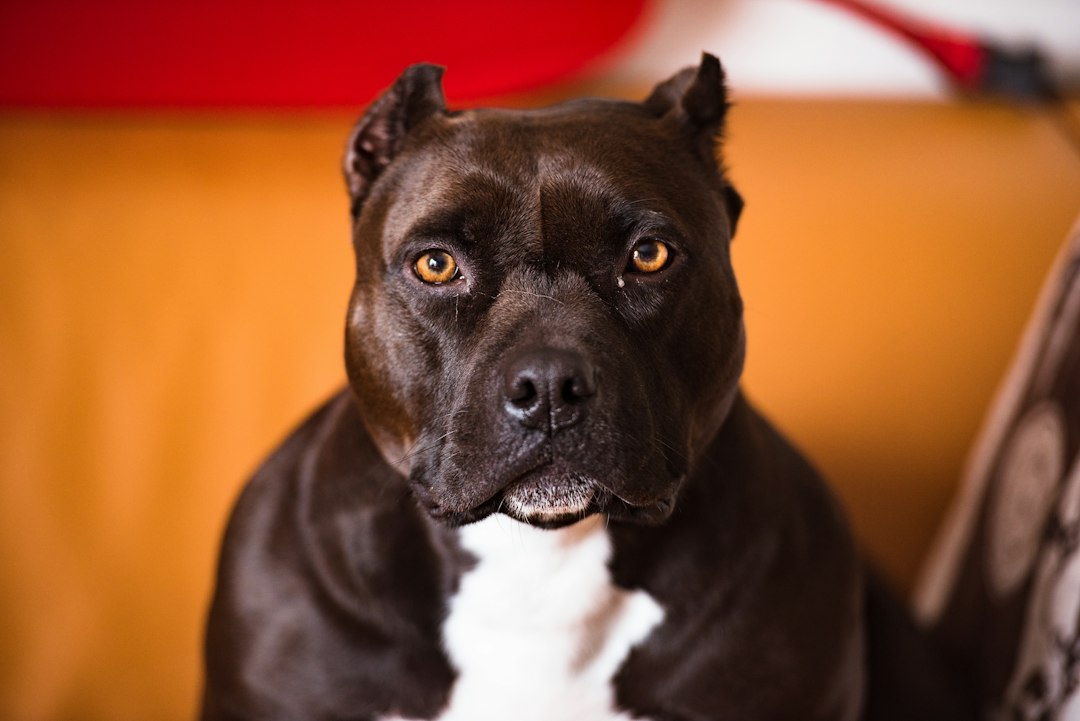

Take measurements before opening a size chart or placing an order. Wrap a soft tape around the broadest part of the rib cage, normally just behind the front legs, without pulling it tight. Record the neck circumference and the back length from the base of the neck to the point where the tail starts. Keep those numbers in your phone or on the printed product page so you do not have to measure again while comparing garments. Breed-based labels can be misleading, while chest girth often determines whether a sweater restricts movement. Resources featuring sweaters made for pitbulls may be useful, but the listed measurements still deserve the final say.
Fit should provide gentle contact without squeezing the rib cage or throat. After putting the sweater on, slide two fingers beneath the neckline and around the chest. The front edge should not sit against the windpipe, and the fabric should not pull sharply across the shoulders when the dog takes a long step. Check the openings behind the front legs as well. A narrow edge can rub the skin during a walk, especially if the dog pulls on the leash. A longer back panel may cover more of the torso, but it should stop before the tail and leave enough clearance for urination and defecation.
Construction details matter for a muscular, active dog. Look for flexible fabric across the shoulder area and seams placed away from high-friction points such as the armpits. A seam is the joined line between fabric pieces, and rough or bulky stitching can become irritating when a dog lies down or runs. Closures should hold the garment in place without creating hard pressure points. Hook-and-loop fasteners can help with adjustment, but inspect their edges and keep loose straps away from chewing mouths. Check whether the sweater leaves room for the harness, since a garment that bunches beneath the chest strap can alter the fit of both items.
Match the fabric to the weather and the dog’s pace. Fleece or a thick knit can provide insulation for a calm dog during a cold, dry outing, while a lighter layer may be more comfortable inside a heated home. Cotton blends may feel pleasant but can remain damp after exposure to rain or wet snow. Moisture-wicking fabric is designed to move dampness away from the skin so the surface can dry more readily, though no fabric eliminates the need to remove a wet garment. For wind, a smooth outer layer can reduce drafts. For rain, read whether the item is water resistant or waterproof, since those terms do not promise the same level of protection.
Behavior and activity should influence the design. A high collar may retain warmth for one dog and provoke constant scratching in another. A pitbull that wrestles at the park or pulls hard on walks needs stretch, secure closures, and openings that stay flat during movement. A short-coated dog on a twenty-minute walk during a dry freeze may tolerate an insulated layer, then become too warm after running. Watch for heavy panting, damp fur, unusual sluggishness, or repeated attempts to pull the sweater off. On a sunny afternoon, removing the garment before exercise may be more sensible than relying on the morning temperature.
A careful fitting routine prevents much of the frustration associated with online orders. Compare the dog’s measurements with the garment’s chart, not with a familiar small, medium, or large label. If the chest fits but the waist hangs loosely, look for an adjustable middle or a cut designed for a deeper rib cage. A rescue dog with a broad chest and narrow waist can expose this problem immediately: a straight boxy sweater may sag, twist, or catch on the leash. Before buying, review the exchange instructions and save the chart with the order details. A clear pitbull sweater fit guide can help interpret measurements, but the dog’s actual shape remains the deciding factor.
Introduce the sweater indoors rather than putting it on for the first time at the curb. Let the dog sniff it, slip it on for a few minutes, and reward relaxed standing with a small treat. Walk across the room and check whether the garment shifts, catches on the harness, or causes a stiff gait. Follow the washing instructions because heat can shrink knit fibers and weaken elastic. After laundering, run your fingers along the inside for rough patches, stretched openings, or loose threads. Remove the sweater if the dog freezes, scratches continuously, or chews at it. Warm clothing should supplement dry shelter, bedding, water, and supervision, not replace them.