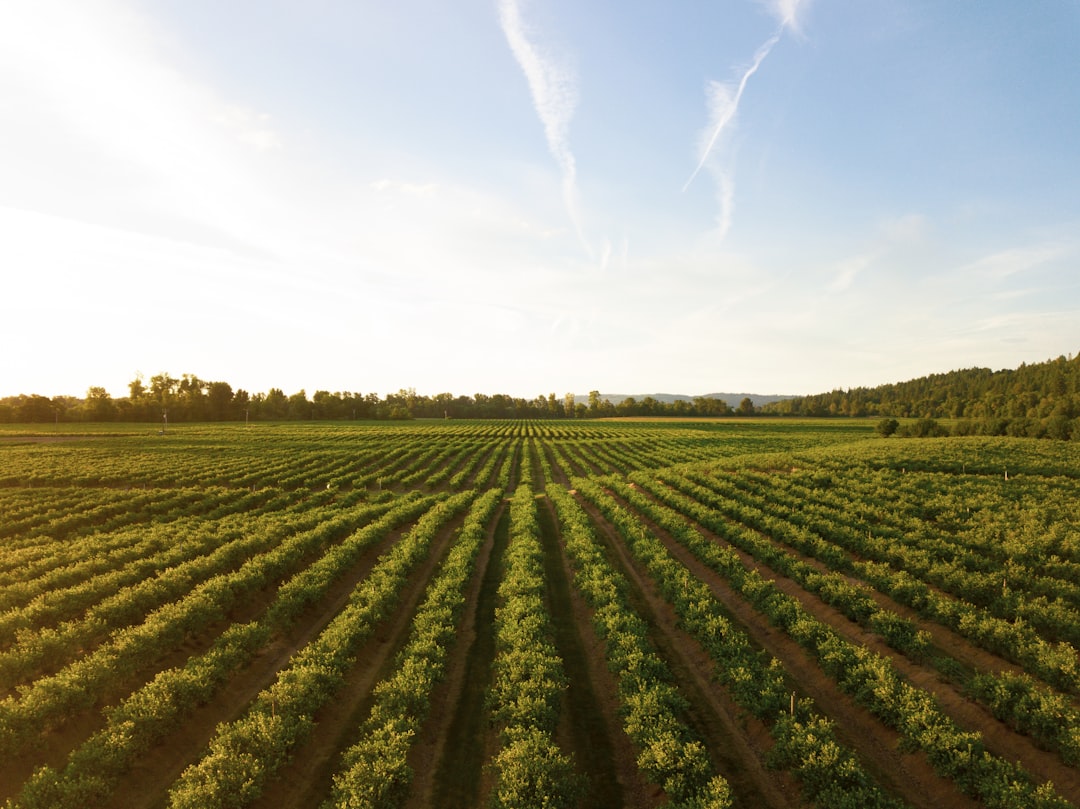

Outdoor spaces on farms offer incredible flexibility, especially in places like Connecticut where properties can stretch for dozens of acres. Picture your ceremony beneath an old oak tree or surrounded by wildflowers in full bloom. But farms are exposed to weather changes. Ask if there’s an indoor option nearby, like a renovated barn or pavilion, for shelter if rain or high winds roll in. Some venues have a straightforward policy for switching locations, others expect you to improvise. Clarify this well before booking.
The atmosphere inside a rustic barn is often the main draw. Wood beams, stone walls, and warm candlelight create an intimate vibe that modern venues struggle to match. However, make sure the barn has reliable heating or cooling, depending on the season. A chilly or stuffy space can put a damper on what should be a joyful celebration. Simple details like checking restroom availability and sound system quality also prevent headaches on the wedding day.
Logistics are a subtle but crucial factor. Parking can be tricky at rural venues. Confirm there’s enough space for all cars and that access roads are well maintained. If guests have to park far away or walk uneven paths, some may arrive late or frustrated. Also, consider accessibility for elderly guests or those with mobility issues. A venue might look perfect on paper but be difficult for certain attendees to reach comfortably.
Exclusive use of the venue is a major plus. When you have full control over the property, tailoring decorations, catering, and entertainment becomes easier. Some farm venues allow couples to bring in their own vendors, giving more freedom but requiring extra coordination. Others offer in-house services that simplify planning but limit customization. Ask about vendor policies and whether you’ll have a dedicated coordinator on site during the event to handle last-minute details.
A practical habit is to request a detailed walkthrough of the venue several months before the wedding. This visit helps spot potential issues like limited electrical outlets for DJs or awkward lighting setups for photography. It’s also the best time to discuss logistics like deliveries, setup times, and cleanup procedures with staff. Clear communication here prevents confusion and stress as the date approaches.
One common miscommunication comes from unclear contracts regarding noise restrictions and event end times. Farms near residential areas may have strict curfews or sound limits. Confirm these rules upfront to avoid fines or having to abruptly end your party. Written agreements should spell out all such details explicitly.
If you want ideas for locations that combine rustic charm with practical amenities, visit ct farm and family. Their listings highlight venues with flexible indoor-outdoor spaces and full-service options tailored to weddings.
For guidance on how farm settings can suit different wedding styles and sizes, check out unique farm wedding options. It’s a useful resource for matching your vision with what’s realistically available.