
Soil load is a useful way to judge the work ahead. A lightly dusty shelf needs a different approach from an entry floor carrying grit, food particles and oily marks. Loose, dry debris should generally be vacuumed or swept away before a damp method is used. Otherwise, dust can combine with moisture and leave a dull smear along skirting boards or beneath furniture. A cleaner may use a crevice tool around floor edges, move lightweight items before vacuuming and check beneath dining chairs rather than only covering the visible centre of the room. These small steps reduce rework and give a more accurate idea of how long the visit will take.
Bathrooms often look clean before they have been properly cleaned. A polished tap can sit beside soap residue, body oils and mineral deposits around its base, while a shower screen may retain a cloudy film after a quick wipe. Cleaning solution needs enough contact time to loosen the residue, but the product label and surface care instructions should guide that timing. Natural stone, painted finishes, older chrome and some grout types can be damaged by unsuitable chemicals or vigorous scrubbing. A practitioner should test an unfamiliar product in a discreet area, use a non-abrasive tool where appropriate and dry fittings afterwards if water spotting is a concern.
The sequence used across a property also matters. Work normally progresses from less soiled areas towards more soiled ones, with cloths and mop heads kept separate for bathrooms, kitchens and general living spaces. Cross-contamination can occur when residue or microorganisms are transferred by hands, equipment or reused water. A cloth used around a toilet should never move directly to a food preparation surface. Fresh water may be needed sooner than expected in a busy home, especially after cleaning a sandy entryway. Colour-coded cloths can help, but only if the system is followed consistently and dirty materials are removed from circulation rather than left on a bench.
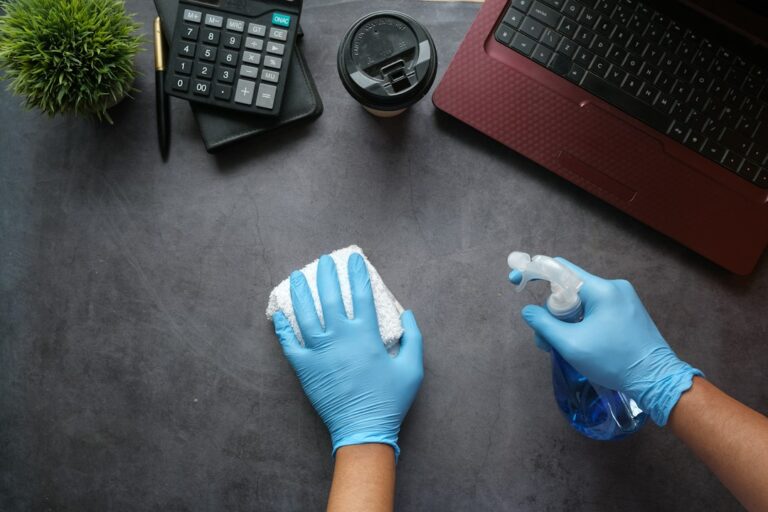
Consider a two-bedroom unit with tiled living areas, a compact balcony and several weeks of bathroom build-up. The entry may need edge vacuuming before the main floor is mopped, particularly where sand has collected under the front door. Sweeping the balcony towards an open doorway can send that grit straight back inside, so the cleaner should control the direction of the debris and check the threshold afterwards. Damp dusting is useful on shelves, television units and window ledges because the cloth can hold fine particles instead of simply shifting them to the next surface. Handles, switches and remote controls also deserve attention because they are touched frequently but often overlooked.
A property being prepared for new occupants needs more than a quick visual tidy. Dust may remain in window tracks, crumbs can sit beneath appliances, hair can collect around bathroom fittings and fingerprints may show beside light switches. High-touch cleaning gives added attention to handles, switches, rails and other frequently handled points. A deep clean usually extends into less accessible areas, such as skirting boards, cupboard edges, behind movable furniture and the lower sections of shower screens. The exact scope varies, so a tenant, owner or property manager should check the written task description rather than rely on a label such as deep clean alone.
Before booking domestic cleaning services gold coast, it is sensible to provide practical information about the home. Note the number of bedrooms and bathrooms, floor types, balcony access, pets, parking arrangements and any delicate surfaces. Ask whether the quoted work includes internal windows, inside cupboards, oven cleaning, linen changes or only routine surfaces. A cleaner may also need to know whether the property will be occupied during the visit and whether toys, dishes or clothing should be put away first. Checking the service page and confirming the scope by message can prevent an assumption about an extra task becoming a disagreement on the day.
A useful appointment often begins with a short inspection and a written priority list. The cleaner can identify heavy traffic areas, note stains that may not be removable without risking the surface and confirm which rooms are included. Homeowners can help by clearing small items from floors, securing pets and leaving access details where they can be found, such as in the booking message or property notes. For a Gold Coast household seeking gold coast home cleaning, those simple preparations leave more time for the work that is easiest to miss: floor edges, window tracks, bathroom fittings, cupboard handles and the narrow spaces beside appliances.