
An auger is often suitable for removing soil because its helical flight carries cut material upward as it rotates. It is not automatically suitable for unsupported ground, however. Loose fill, saturated soil or material disturbed by nearby construction may ravel into the excavation as the auger is lifted. A casing or liner can support the bore walls during drilling and help preserve the required diameter. The casing may be temporary or retained, depending on the design and ground conditions. A frequent source of rework is treating casing as an optional accessory after the sides have already started to collapse.
Good preparation includes more than positioning the rig over the set-out mark. The crew confirms the planned diameter and depth, checks that the mast can operate under site constraints, and agrees how spoil will be removed without blocking the next work area. A tape measure or depth reference is kept available rather than relying only on the rig display. Operators also look for signs of fill, cobbles, groundwater or hard layers as the tool advances. Recording those changes in the bore log gives the engineer and concrete team a useful record of what was actually encountered, not just what the original plan assumed.
A bore that reaches rock needs a considered change of tooling or method. Continuing with soil augering can reduce production and may leave the base uneven, while forcing equipment into hard material can cause unnecessary wear. Rock drilling equipment is selected according to the rock condition, bore diameter, required founding level and access available to the rig. The operator should record the depth at which the material changed and note whether the rock is fractured, weathered or sound where that information is relevant to the design. The founding condition should not be inferred from colour alone, since similar-looking material can drill quite differently.
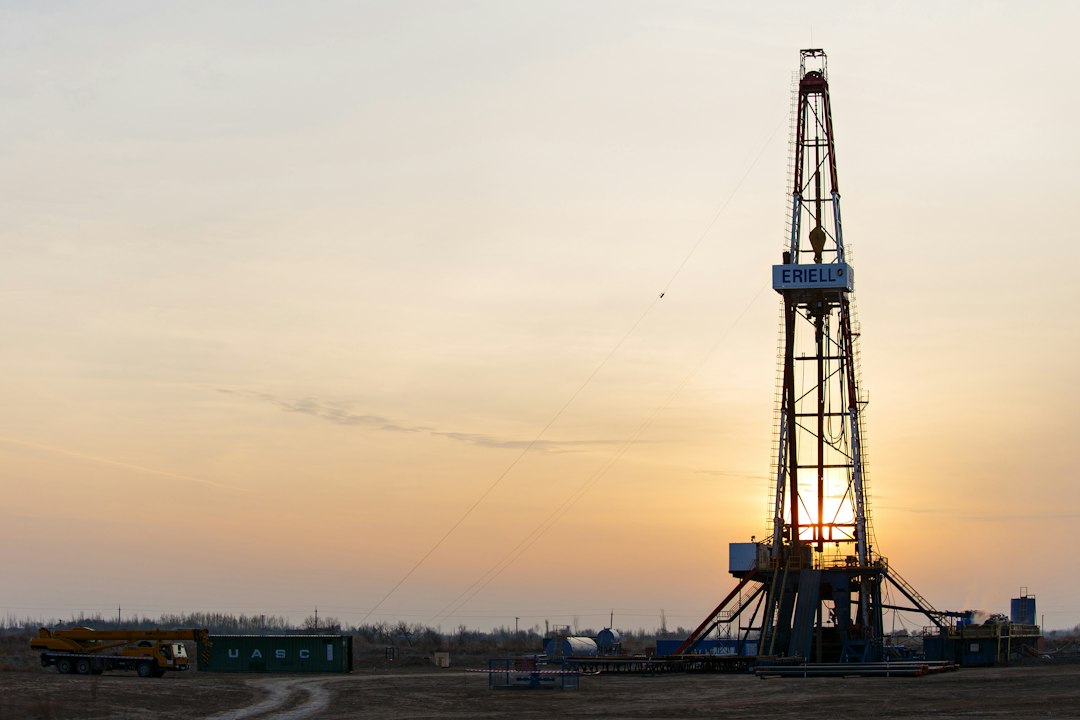
Depth is only one measure of a satisfactory shaft. Bore alignment must remain close to the specified vertical or angled line so the pile, pole or reinforcement cage will fit where the design places it. On restricted sites, the operator may need to reposition the rig several times while keeping clear of walls, services and previously drilled holes. Spoil should be placed where it will not surcharge the ground beside an open bore or obstruct concrete delivery. Planning these movements is part of long foundation drilling, particularly where a small deviation at the surface could become significant near the base.
Water can alter the work quickly. Seepage may soften the bore base, obscure the depth and affect the condition of the sides. Dewatering can involve removing accumulated water or controlling its entry, but the selected approach must suit nearby structures and the surrounding ground. Pumping too aggressively may create movement or draw fine soil from around the excavation, so the method should follow the site conditions and engineering direction. If concrete is to be placed through water, the placement procedure and concrete specification need to account for that situation rather than leaving the issue until the shaft is full.
The final preparation connects the excavation to the structure. A reinforcement cage, ragbolt cage or pole assembly must be made to the specified dimensions, with the required position, cover and bolt orientation checked before it enters the bore. Crews often tag each cage against the shaft number and recheck the drawing before lifting it, a small habit that prevents the wrong assembly being installed in a correctly drilled hole. Concrete placement then needs coordination with casing removal, access for the delivery equipment and the required sequence. A contractor coordinating bore casing and reinforcement must treat these steps as one operation rather than separate trades.
Inspection continues after the tool leaves the ground. The team checks the bore depth, diameter, alignment, visible stability and any water or loose material at the base, then compares the result with the shaft schedule before reinforcement is lowered. If the excavation has narrowed, filled, shifted or reached a different founding condition, the issue should be recorded and referred to the responsible engineer before concrete placement. The same discipline applies to drilling near existing construction, where slow positioning, clear exclusion zones and protection of exposed surfaces can prevent damage. Each bore is therefore accepted on its observed condition and design requirements, not on the assumption that the previous bore behaved the same way.