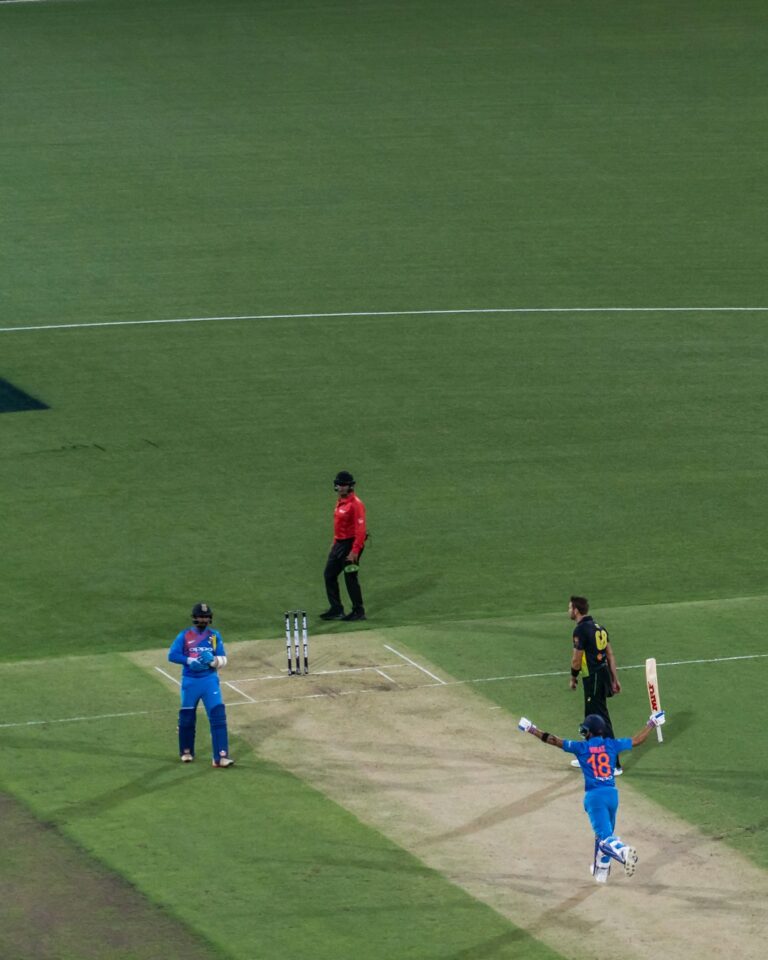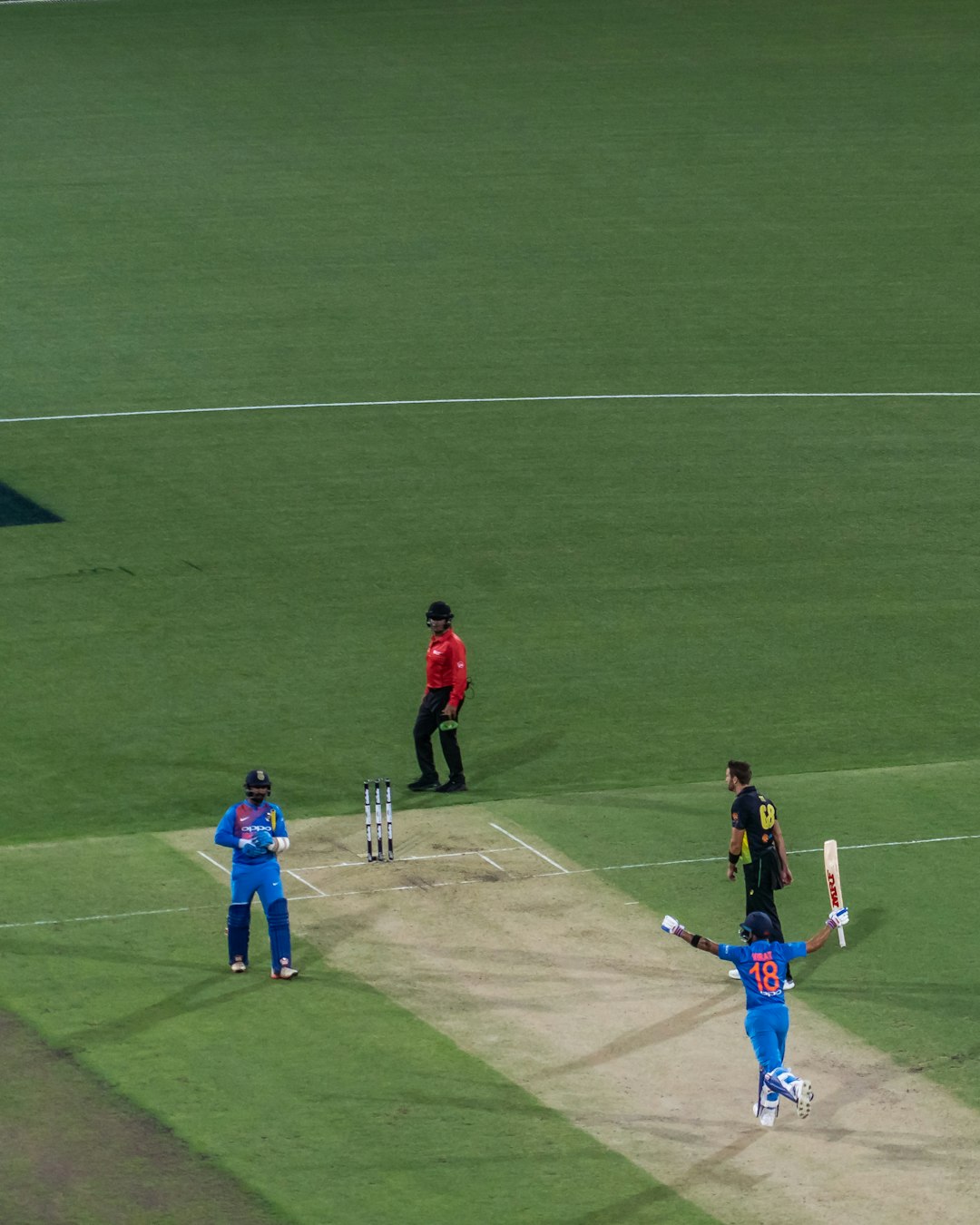

Before booking, ask how often the practitioner treats sporting injuries and what the first appointment will involve. A useful assessment may include joint movement, muscle strength, balance, coordination and observation of how you run, land, throw or bowl. Range of motion describes how far a joint can move comfortably. Strength testing looks at how effectively muscles produce force and whether one side differs from the other. These findings do not provide a diagnosis on their own, but they can guide treatment and identify reasons to seek medical review. If you are looking for cricket physio, ask how the session will reflect your position and level of play.
The plan should fit the stage and type of injury. After a fresh ankle sprain, early treatment may involve managing swelling, protecting the area from aggravating activity and keeping safe movement available. A recurring lower back problem may call for a review of bowling volume, hip movement, trunk strength and recovery between sessions. Load management means adjusting the amount, intensity and frequency of training so the body can recover while fitness is maintained. That may involve shortening a net session, changing gym exercises or reducing bowling spells instead of stopping all activity without a clear route back.
A strong rehabilitation programme gives you tasks to complete and signs of progress to monitor. Hands-on treatment can reduce stiffness or discomfort for some people, but exercise is usually needed to rebuild the capacity required for cricket. Proprioception is the body’s awareness of joint position, which matters when landing after a jump or controlling the front leg during delivery. A programme might begin with steady balance work, progress to single-leg strength, and then add hopping, changes of direction and fielding drills. The practitioner should explain why each stage is included and increase the challenge only when movement remains controlled and symptoms settle within a reasonable period.
Consider a club fast bowler who feels shoulder pain late in a spell. Bowling at half pace may feel comfortable, while full effort causes a loss of control. Testing the shoulder on a treatment table alone would not answer the main question. The assessment may also consider upper back movement, shoulder blade control, rotator cuff strength, recent bowling volume and how the arm feels later that day or the next morning. The rotator cuff is a group of muscles that helps move and stabilise the shoulder. A written bowling diary, including spell length and intensity, can reveal a sudden increase that is easy to forget during conversation.
Return to play should be based on cricket tasks, not simply on being able to walk or complete daily activities without pain. A batter recovering from a side strain might move from shadow shots to gentle hitting, then test front-foot and back-foot strokes, running between wickets and a full net. A fielder may need to demonstrate short sprints, low catches, throwing and controlled dives. The practitioner should monitor symptoms during the session and again later, since discomfort that appears after training can change the next step. Ask what would delay progression, which activities are allowed between appointments and which symptoms require a fresh assessment.
Communication with the coach can prevent avoidable rework. With your permission, the physiotherapist may share a simple plan stating what you can do, what needs modification and how the next review will be judged. A bowler might be cleared for a limited number of deliveries but not an unrestricted spell. A batter may be able to face pace in the nets while postponing hard running. Keep the programme on your phone or in your kit bag, and record exercises, workload and symptoms soon after training rather than trying to remember them days later. These small records make the next appointment more useful and help separate a temporary response from a recurring pattern.
Access and follow-through affect whether a plan works in real life. Check appointment times, travel from your ground or workplace, communication with your coach and the availability of exercise equipment if home rehabilitation is needed. Ask for written instructions and a clear method for reviewing progress. A cricket return to play plan should account for your role, current symptoms and match schedule without promising an exact recovery date before you have been examined. The most useful advice is specific enough to guide your next training session and flexible enough to change when your response shows that the workload is too much or too little.