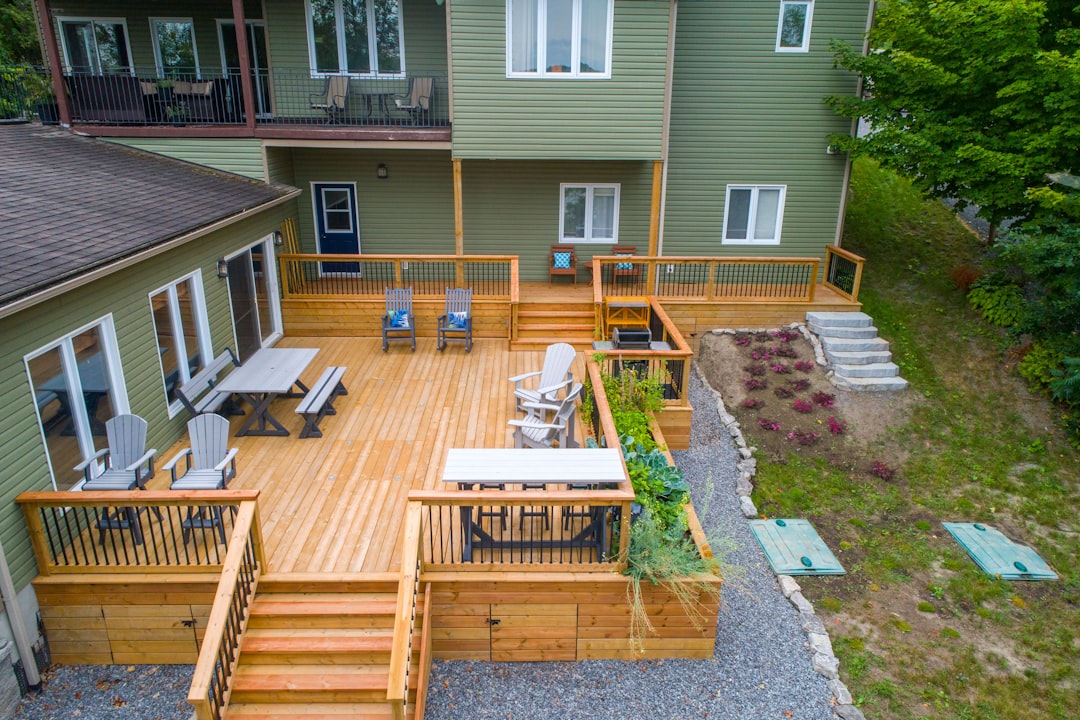

Applying waterproofing usually means covering the deck with a protective layer that blocks water absorption. One effective approach uses liquid membranes. These products spread out to form a continuous film that fits snugly over every corner and joint, leaving no room for leaks. This method is especially handy for decks with tricky angles or seams where traditional coatings might fail. Knowing how these membranes work can help business owners choose the right option to keep their outdoor areas in good shape.
Consider restaurants with outdoor seating or cafés with patios. These spaces get constant exposure to sun, rain, and temperature swings. Without regular waterproofing, wooden surfaces can warp and metal fixtures may rust. It’s not just about looks; customers notice when a patio feels neglected or unsafe. Applying a quality waterproof coating keeps these areas inviting and protects the investment in your property. Plus, it avoids unexpected closures for repairs during busy seasons.
Rooftop decks and balconies on commercial buildings often get overlooked. Yet they face harsh weather all year round. A single leak here can cause damage inside the building, leading to expensive fixes. A durable waterproof layer helps prevent water from seeping through cracks and joints, extending the life of these outdoor spaces. Property managers who schedule routine waterproofing inspections often avoid bigger problems later, saving money and hassle.
The choice of waterproofing product matters. Liquid membranes cure fast and create a tough, flexible shield that handles foot traffic well. Some formulas prioritize eco-friendliness, which suits businesses trying to reduce their environmental footprint. These greener options comply with regulations and appeal to customers who prefer sustainable practices. Checking product labels and technical sheets before purchase can clarify which membrane fits best.
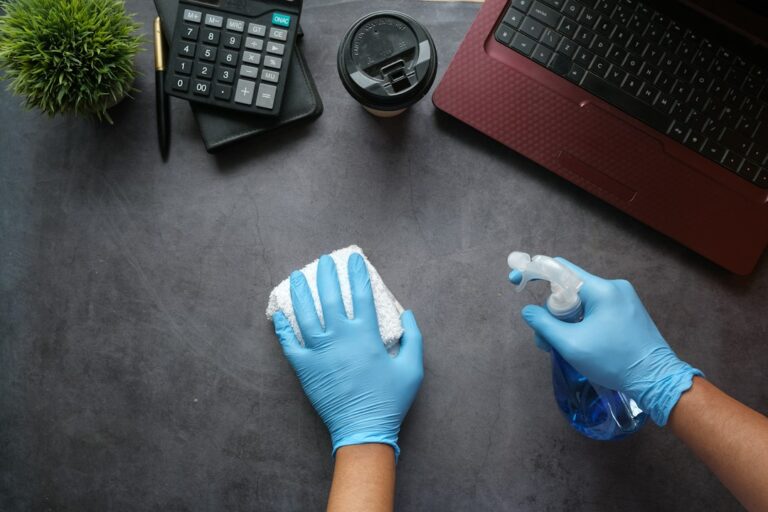
Preparation before applying waterproofing is often underestimated but makes all the difference. The deck surface needs thorough cleaning, power washing removes dirt, old paint, and mildew that could stop the membrane from sticking properly. Sometimes sanding rough spots ensures the coating bonds evenly. Skipping these steps can lead to bubbling or peeling down the line, which means rework and extra expense.
Maintaining the waterproof layer is not a one-time job. Regular visual checks help spot cracks or worn areas early. After storms or heavy usage, it pays to inspect the deck closely. Small repairs or touch-ups keep water out and prolong the coating’s effectiveness. Many maintenance routines include keeping drains clear and trimming nearby trees to reduce debris buildup.
If you want to explore different products or methods for protecting your deck, resources on deck waterproofing offer detailed information. For broader advice on preserving commercial outdoor spaces, see . Taking these steps helps business owners protect their assets while offering comfortable, safe environments for clients and staff.