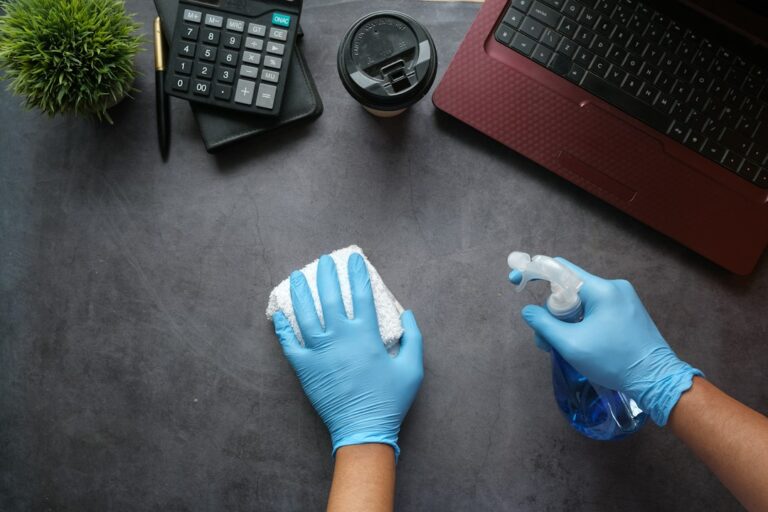
The first major error is poor surface prep. If the area isn’t spotless and bone dry, the membrane won’t stick right. Dust, oils, or moisture left behind cause bubbles or peeling later on. A thorough clean and a good inspection can catch hidden dirt or damp spots. Many pros carry a moisture meter to confirm dryness before starting.
Another mistake is ignoring proper curing times between coats. Skipping waits or applying layers too soon traps moisture beneath. This creates conditions for mold and breaks down the membrane’s strength. Following the product’s drying schedule is key; some membranes need 24 hours or more before the next coat.
Drainage often gets overlooked. Without a way to channel water away, it pools and stresses the membrane, increasing leaks. Installing drains or sloping surfaces to direct runoff prevents these issues. Simple design tweaks like a slight slope of 1-2% can make a big difference over time.
Using the wrong sealant on cracks or joints is another trap. Regular caulk can fail as surfaces shift, allowing water in. Use flexible joint sealants formulated for waterproofing systems. These move with expansion and contraction while maintaining a tight seal.
Weather conditions during application affect results too. Cold or humid weather slows curing, weakening adhesion. Many contractors check forecasts and adjust their schedule or use heaters and dehumidifiers on site. Applying membrane in early morning dew or freezing temps is asking for trouble.
Choosing the right product matters just as much as technique. A quality liquid waterproofing membrane will bond well, resist environmental damage, and last longer. Testing samples on-site beforehand can reveal compatibility with your substrate and local conditions.
Maintenance is often ignored but vital. Regular inspections, especially at seams and corners, catch small cracks or wear before they grow. Cleaning debris off surfaces prevents trapped moisture. Responding quickly to minor repairs extends the system’s life and protects your investment.
For detailed advice on waterproofing projects, check out waterproofing advice for builders. Practical tips from experienced sources help avoid pitfalls and improve results.