
To qualify for these grants, certain requirements usually apply. Applicants might need to prove they fall within specific income brackets or live in designated areas targeted for energy efficiency improvements. Existing insulation levels are also checked; homes with minimal or no loft insulation are priority candidates. It’s worth reviewing official guidance from local councils or energy bodies to understand the exact eligibility criteria before applying.
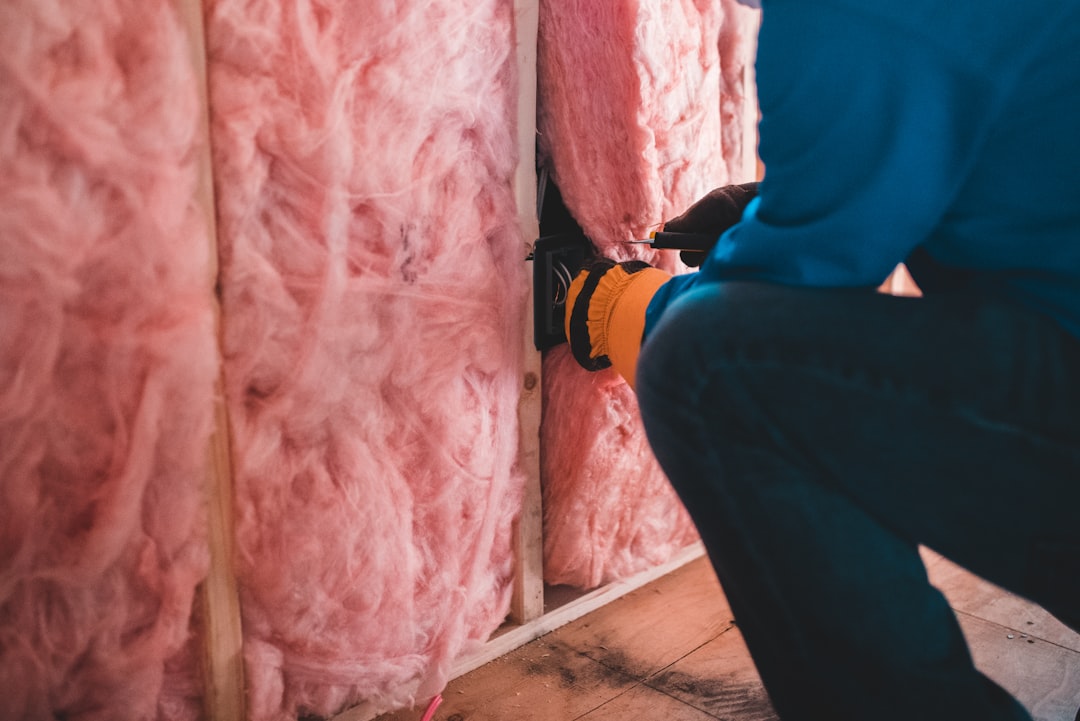
Choosing the right installer is crucial once eligibility is confirmed. Installers registered under government-approved schemes ensure standards are met and use materials like mineral wool or rigid foam boards. These materials are chosen not just for thermal insulation but also for their soundproofing qualities and fire safety ratings. Insulation thickness and installation technique influence performance, so professional assessment is important. Often, installers will inspect the loft space before starting work to identify any issues such as damp or ventilation problems that could affect insulation effectiveness.
Applying for a grant involves submitting an application with details about your property and current insulation status. A surveyor or qualified assessor may visit your home to verify information and recommend suitable insulation types and thicknesses. The application process can feel bureaucratic, so keeping copies of all documents and correspondence helps avoid delays. Some homeowners have noted confusion around paperwork or misunderstandings about what’s covered by the grant, so asking questions early on can save time.
Success stories from grant recipients show real benefits beyond energy savings. For example, one household reported a noticeable drop in heating costs after having their loft insulated with grant assistance, while another elderly couple managed to keep their home warm throughout winter without worrying about rising bills. These improvements often lead to better overall well-being during cold spells, reducing discomfort caused by drafts or cold ceilings.
These grants contribute to wider efforts to reduce carbon emissions by improving the energy efficiency of Scotland’s housing stock. Properly insulated homes require less energy to heat, which lowers fossil fuel consumption and greenhouse gas output. While individual contributions may seem small, collectively they support national climate targets. If you want to explore all available options for enhancing your home’s insulation, it’s useful to consult resources that cover related measures and funding opportunities.
For detailed guidance on the application process and eligibility, check out loft insulation grants scotland. To learn more about improving other areas of home insulation, including walls and floors, visit .