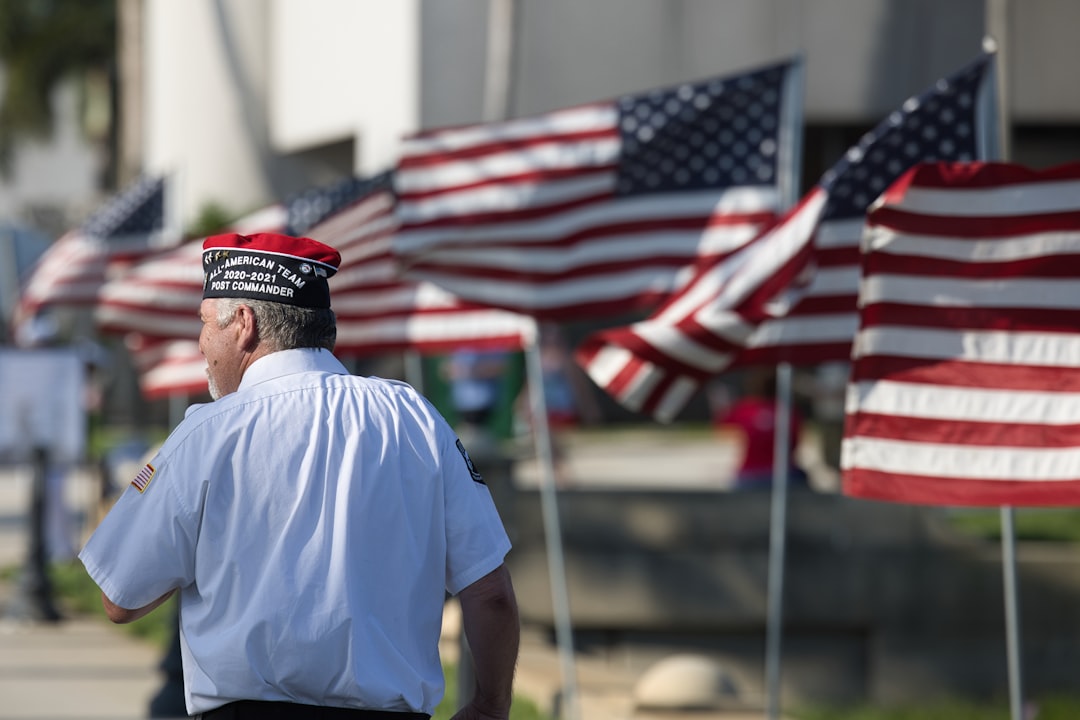

Veteran gatherings aren’t one-size-fits-all. Some events focus on networking, like corporate sponsorships aimed at connecting businesses with veteran entrepreneurs. Others serve as community outreach, offering resources to veterans transitioning back into civilian life. Knowing the purpose behind your event shapes everything , from guest speakers to the activities planned. A common mix-up is treating all veteran events like they have the same goals, which can lead to a disconnect with attendees.
Event planners need more than logistics skills; cultural understanding is critical. Incorporating elements like flag ceremonies or inviting veterans to share personal stories requires sensitivity. Working closely with veteran organizations helps ensure the event reflects the community’s values and expectations. A practical habit is to circulate your event plan among veterans for feedback before finalizing details, which helps catch potential missteps early.
Sponsorship is often part of these events, but businesses must engage authentically. Token gestures risk alienating veterans rather than building trust. For example, a company offering job training workshops or career counseling during the event directly addresses challenges veterans face in employment. These meaningful contributions foster goodwill and create real value for attendees.
Choosing a venue involves more than size or cost. It should honor military traditions and be accessible to all, including those with disabilities, something frequently overlooked. Accessibility means ramps, hearing assistance, and clear signage to accommodate various needs. The right location boosts attendance by making veterans feel comfortable and respected. Checking local public transport options can also prevent last-minute attendance drops.
Clear communication keeps everything on track. Regular updates for stakeholders prevent misunderstandings and last-minute surprises. Using social media or dedicated event websites helps keep veterans and their families informed and engaged. Sending reminders about schedule changes or parking instructions reduces confusion on event day and improves overall experience.
For deeper knowledge about planning such events, connecting with seasoned professionals can be invaluable. They share lessons learned from past efforts and warn against common pitfalls like overloading the agenda or neglecting cultural nuances. More detailed advice is available through veteran business events resources.
Staying current with veteran community trends sharpens your planning choices. Following local veteran groups and news outlets can reveal themes or issues that matter most right now. Creating an environment where veterans feel appreciated and heard takes effort but pays off in engagement and turnout.
If you want additional tools and networks for supporting veteran gatherings, explore resources at veteran event planning help. These connections provide practical guidance and support tailored to the unique nature of veteran business events.