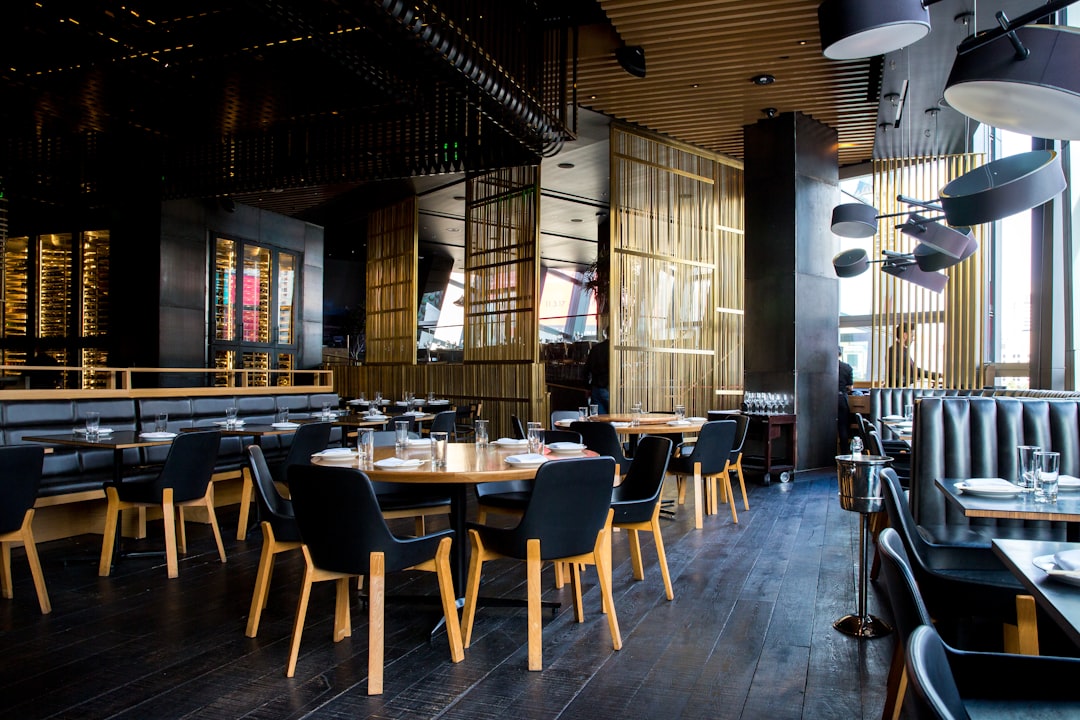

Start by thinking through how your restaurant will operate day to day. Consider guest movement, crowding near the entrance or tight aisles slow service down. Staff workflow is equally important; the kitchen pass, bar area, and seating zones must connect efficiently. Space planning isn’t just about squeezing in seats; it’s about creating a rhythm that supports both guests and staff. For example, placing the bar near the entrance invites casual visitors while keeping busy tables flowing smoothly.
Defining your restaurant’s concept early sets a clear direction. Whether you’re going for rustic charm or sleek urban vibes, mood boards help visualize your brand’s personality. A seafood spot might lean on nautical colors and textures, while a vegan cafe could focus on natural materials and greenery. This concept guides every decision, from choosing upholstery to picking decorative accents, so consistency stays intact.
Interior design and styling bring your restaurant’s identity to life. Choose furniture that withstands spills and heavy use without sacrificing style, vinyl or treated fabrics work well. Flooring materials should be durable but also easy to clean after a busy night. Lighting needs to be flexible; dimmable fixtures adapt the mood from lunch rush brightness to intimate dinner settings. It’s common for designers to test multiple layouts and lighting setups before settling on what feels right.
Creative direction ties all elements together, including signage and printed materials like menus. Cohesion here builds trust and makes your brand memorable. A disjointed look can confuse customers or suggest a lack of attention to detail. Collaborating closely with your design team ensures these visual elements reinforce your concept and appeal directly to your target audience.
Managing a design project involves juggling timelines, budgets, and multiple contractors. Having someone oversee these moving parts reduces errors and delays. For instance, scheduling painters, electricians, and furniture delivery in the right order saves time and prevents costly rework. It’s common to review progress weekly to keep everything on track and adjust plans as needed.
Lease negotiations often catch restaurant owners off guard. Designers with real estate contacts can provide practical advice on location terms that suit food businesses. Understanding factors like foot traffic patterns, nearby competition, and lease duration helps avoid surprises later on.
If you’re ready to upgrade your restaurant’s interior, professional help can make a big difference. Requesting a free consultation lets you explore options without pressure. See how our tailored approach can reshape your space by visiting restaurant interior designer services today.
Design doesn’t stop once the doors open. Customer feedback may reveal ways to tweak seating arrangements or refresh decor after a season. Maintaining a relationship with your design team means you have trusted advice when changes are needed. Learn more about ongoing support at restaurant design guidance.