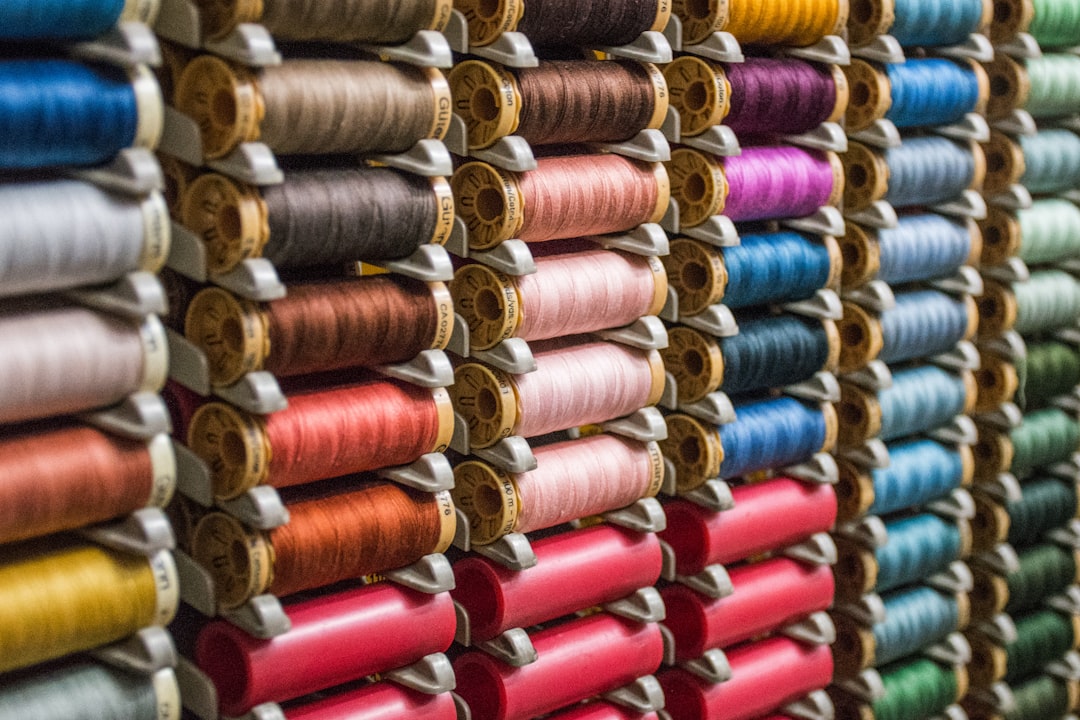

Fiber-to-fiber recycling involves breaking old textiles into raw fibers for reuse. This method lets producers make new clothes without using fresh materials. Rather than landfill, partnering with specialized recycling centers is key. For example, a boutique might team up with a recycler to transform unsold stock into feedstock for upcoming lines, reducing landfill waste and shrinking resource consumption.
A frequent mistake is not knowing which fabrics recycle well. Mixed blends complicate processing and spoil fiber quality. Owners should favor materials like pure cotton or polyester, as they recycle more easily and yield better results. This makes manufacturing smoother and ensures the recycled fabric meets expected standards.
Understanding inventory is vital. Conducting detailed audits helps spot what can be recycled or repurposed. Damaged jeans or excess t-shirts unsuitable for fiber recovery might still serve as insulation or cleaning cloths. This approach cuts waste and embeds sustainability into daily operations.
The technology behind fiber regeneration matters. Mechanical shredders and chemical treatments separate fibers from non-textile parts such as buttons or zippers. Efficiency here dictates fiber yield and final quality. Businesses that grasp these processes can fine-tune recycling efforts and lower costs tied to waste disposal.
New textile recycling facilities have changed how companies manage scraps. These plants handle large amounts swiftly using advanced equipment. Working with them guarantees proper handling and high-quality recycled material output. Forming such partnerships boosts a company’s environmental credentials and appeals to eco-aware customers.
Closing the loop starts with commitment inside the company and extends outward. Engaging staff and educating customers about textile scrap recycling can inspire broader change in buying and disposal habits. Over time, this shared effort can make sustainable fashion more than just an ideal, it becomes practical for everyday business.
Check your product tags and purchase orders carefully; they often indicate fiber content critical for recycling decisions. A common snag is mislabeling or incomplete information, leading to rejected batches at recycling plants. Keep detailed records and communicate clearly with suppliers to avoid surprises.
Explore more about textile scrap recycling and how it can benefit your business today. For further resources on integrating these practices, visit .