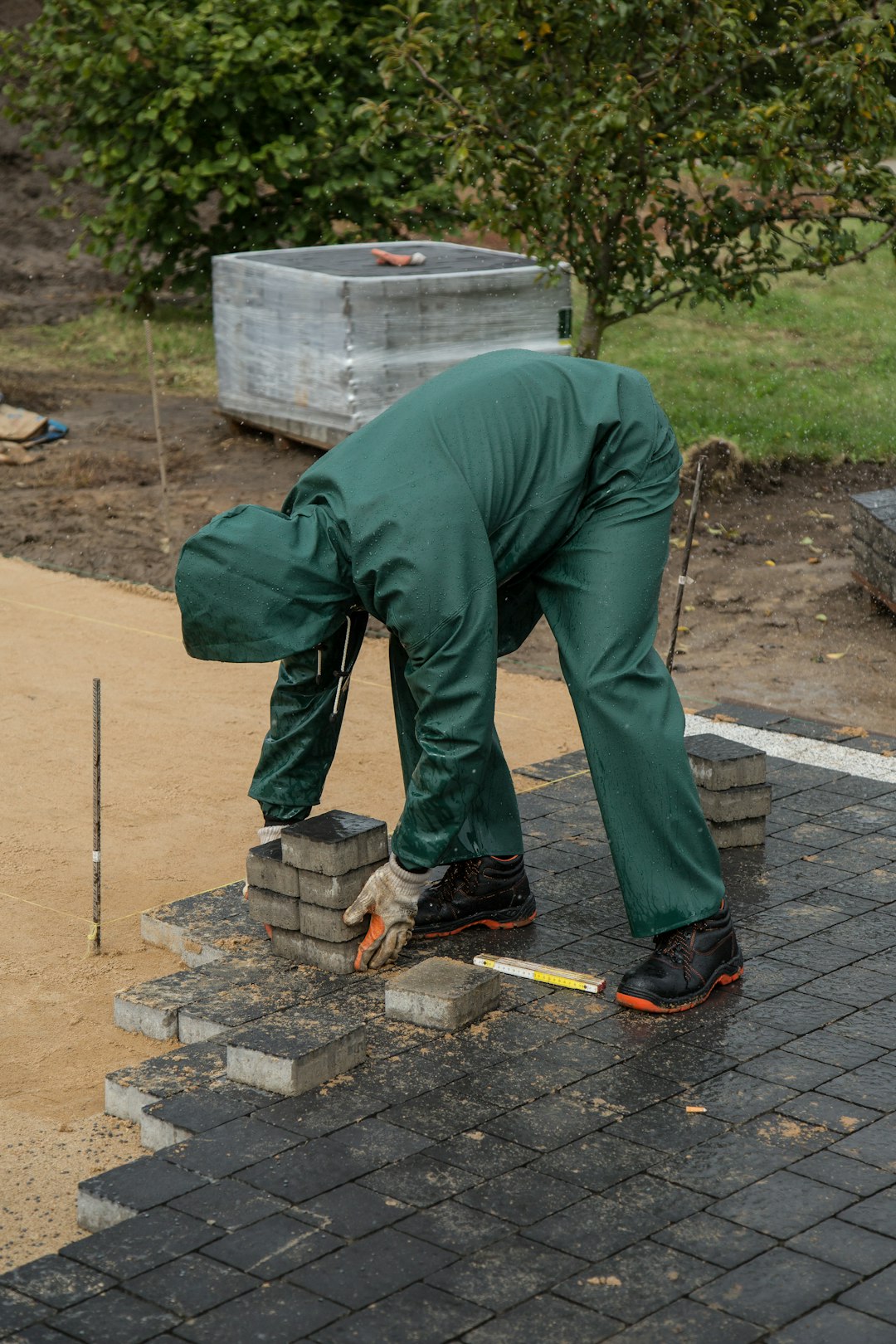

The biggest blunder is usually surface prep. Skipping a thorough clean or neglecting primer means the waterproofing won’t stick. Picture a concrete slab dusted with debris, brushed off quickly without primer. The membrane won’t adhere properly and may peel away. It’s worth spending extra time scrubbing, vacuuming, and priming because that foundation determines everything else.
Environmental factors are often ignored. These products need certain temperature and humidity ranges to cure correctly. Applying them in cold weather or damp conditions risks incomplete curing, which weakens protection. A contractor might not check the weather forecast or realize a temperature drop overnight will ruin the layer. Adjust your schedule or choose materials suited to the climate where you’re working.
Thickness matters more than some think. Applying thick coats hoping for better protection often backfires. Too much product can crack or cure unevenly. For example, on flat roofs, thick layers can trap water instead of letting it flow off, creating pools that damage both membrane and structure. Follow manufacturer guidelines carefully and use tools like wet film gauges to measure thickness as you go.
Details around penetrations and seams deserve special attention. Pipes, joints, and drains are weak spots where water sneaks in if not sealed properly. Skipping reinforcing membranes or using incompatible sealants causes leaks that aren’t obvious until damage appears months later. Skilled installers always double-check these areas and use compatible flashing materials to build a continuous barrier.
Product compatibility also trips up installers. Not all liquid membranes work well with existing coatings or substrates. Ignoring technical data sheets or skipping compatibility tests leads to failures at the join between materials. A business owner might install a new system without consulting product specs or expert advice, only to face delamination. Always verify product combinations before committing.
Finally, maintenance is not optional. After installation, regular inspections catch small cracks, blisters, or wear spots early. Prompt repairs prevent expensive fixes down the road. Setting up a routine check every six months and keeping records of any observations helps track system health over time and avoid surprises.
Understanding these pitfalls and addressing them head-on improves outcomes dramatically. The right prep, conditions, thickness, detailing, product choices, and upkeep make a huge difference. Contractors who master these steps see fewer callbacks and happier clients relying on their waterproofing to hold up.
For practical tips on application techniques and products, visit liquid waterproofing products. For guidance on selecting materials suited to your project’s environment, check out .