
A common misstep is assuming that all veterans have the same needs. Traditional programs tend to focus heavily on combat trauma, often overlooking issues like sexual harassment during service or the challenge of juggling family care with new career goals after discharge. For example, many female veterans report that family leave policies or childcare support are rarely addressed in veteran assistance programs. Tailored services that reflect these realities could make a tangible difference.
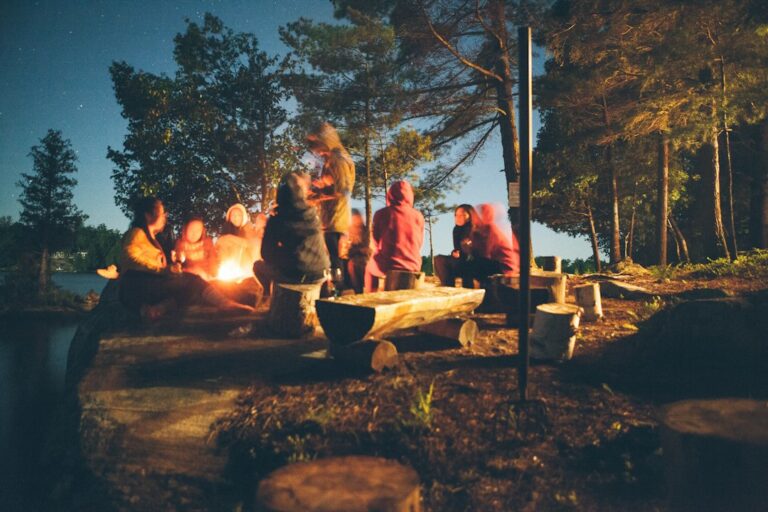
Events created specifically for women who served offer a way to build community. These gatherings provide a secure environment where attendees can exchange experiences and form support networks. The Women Veterans Engage program is a strong example, hosting workshops that cover topics such as coping with post-service stress, career transitioning, and reconnecting with family. These meetups help break down barriers and foster friendships that last well beyond the event.
Access to services built for women veterans is critical for adjusting to civilian life. Resources like career counseling aimed at translating military skills into civilian jobs, mental health services familiar with female-specific trauma, and peer mentorship programs can ease this shift. For instance, pairing new veterans with those who’ve already adapted to civilian careers offers practical advice and emotional backing. Understanding how to apply for VA healthcare or housing assistance is another practical step these programs often help clarify.
Joining organizations dedicated to women veterans further strengthens this support network. Such groups offer exclusive programs, advocacy opportunities, and social connections tailored to female veterans’ needs. Membership fosters a sense of belonging and provides access to events or benefits not always available through general veteran services. Many women find that being part of these communities helps maintain motivation and combats the loneliness that sometimes accompanies the transition to civilian life.
The upcoming Women Veterans Engage 2026 event will offer interactive sessions focused on current challenges facing women who have served. Topics range from financial literacy and entrepreneurship to mental health strategies and navigating VA benefits specifically for women. These gatherings are more than just meetings; they’re spaces where female veterans can raise their voices and influence how programs evolve to better serve them.
Supporting female veterans means getting involved with organizations that understand their unique struggles. Volunteering at local events or offering mentorship can provide crucial lifelines. By taking part in initiatives like female veterans networks, individuals help create connections that make a real difference in daily lives. Simple acts such as helping a veteran fill out a VA form or just listening can change outcomes significantly.
It’s important to recognize and honor the contributions of women veterans both during their service and afterward. Creating spaces where they feel respected and supported benefits whole communities. Joining efforts that prioritize inclusion and understanding builds stronger foundations for all who have served. Those interested can learn more about providing assistance by visiting resources for women veterans support, which offers practical tools and ways to get involved.