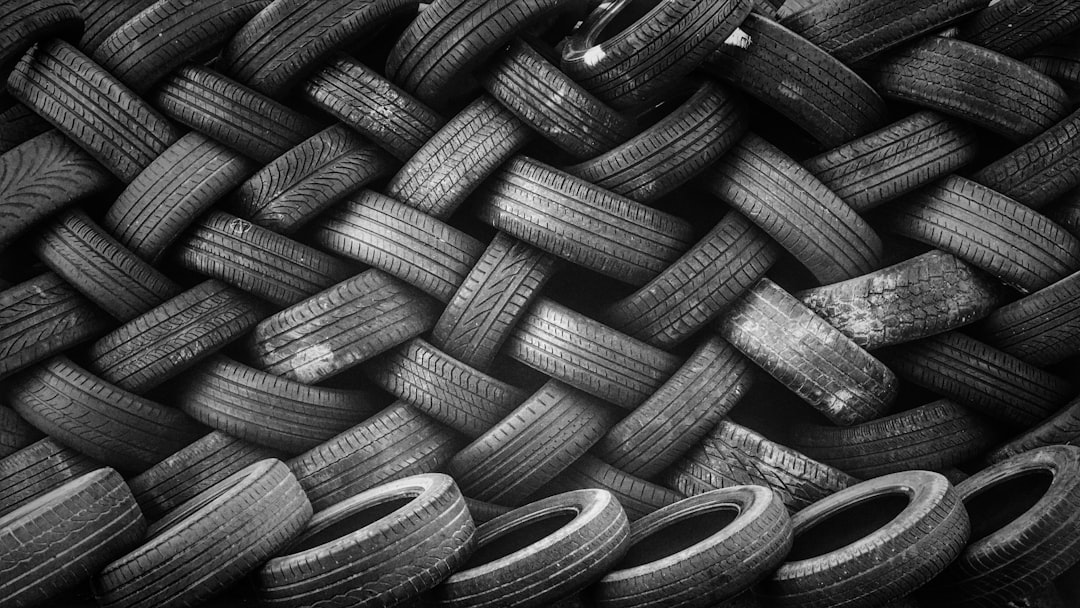

Tread patterns are more than just looks. Deep, chunky treads bite into mud and loose gravel, helping you keep control. They also channel water away quickly, which lowers the chance of losing grip on slick surfaces. A tyre with weak sidewalls might be cheaper but will struggle when rocks or roots slam against it. Stronger sidewalls resist punctures and keep the tyre intact during tough trail sections. A practical tip is to check your tyres for cuts or bulges regularly, signs they might fail when you least want them to.
Tyre pressure often gets overlooked but adjusting it correctly changes how your vehicle behaves. Lower pressures increase the contact patch on soft surfaces like sand or snow, improving traction. On hard surfaces like pavement, higher pressure reduces rolling resistance and tyre wear. Many drivers forget to reset their pressures when switching between road and trail, which can lead to uneven wear or poor handling. Carry a reliable pressure gauge and make it routine to check before hitting different surfaces.
Not all all-terrain tyres perform equally in tough spots. These tyres are versatile but sometimes fall short in extreme conditions. For example, mud-terrain tyres have larger, spaced-out lugs that dig deep into soft ground, offering superior grip in sticky mud compared to all-terrain models. Snow conditions demand tyres with specific rubber compounds and siping patterns that maintain flexibility and traction in freezing weather. Understanding what each tyre type offers helps avoid surprises when you push off the beaten path.
If your 4WD is mostly a city driver with occasional trail use, hybrid tyres might be worth considering. They try to balance quiet road manners with some off-road capability. While they won’t match dedicated off-road tyres in challenging terrain, hybrids handle gravel roads and light trails without compromising daily drivability. A lot of urban 4WD owners find hybrids reduce noise and improve fuel economy while still letting them explore less demanding tracks.
When buying tyres, talk to sellers who get what your driving routine looks like. Some dealers are quick to push popular brands without digging into your actual needs. Before committing, spend time comparing specs online and reading user reviews about durability and performance on trails similar to yours. One solid move is to ask about tyre longevity on mixed surfaces, knowing how long a tyre lasts under different conditions can save money and hassle later. For detailed options tailored for off-road use, visit best tyres for 4wd.
Understanding tyres isn’t just about picking a name or style. It involves grasping tread depth, sidewall toughness, correct inflation for terrain, and the specific design focus of each tyre type. For example, some drivers keep a small notebook noting pressure changes for different trips; it’s a simple habit that prevents second-guessing on the trail. Others inspect tyres closely after each outing to catch slow leaks or damage early. These small steps matter because they protect both your vehicle and your trip experience.
If you want to explore more options and find the right fit for your vehicle and driving style, check out off-road tyre options for 4wd vehicles. Having the right tyres changes how your vehicle performs off the road, and how much fun you have doing it.