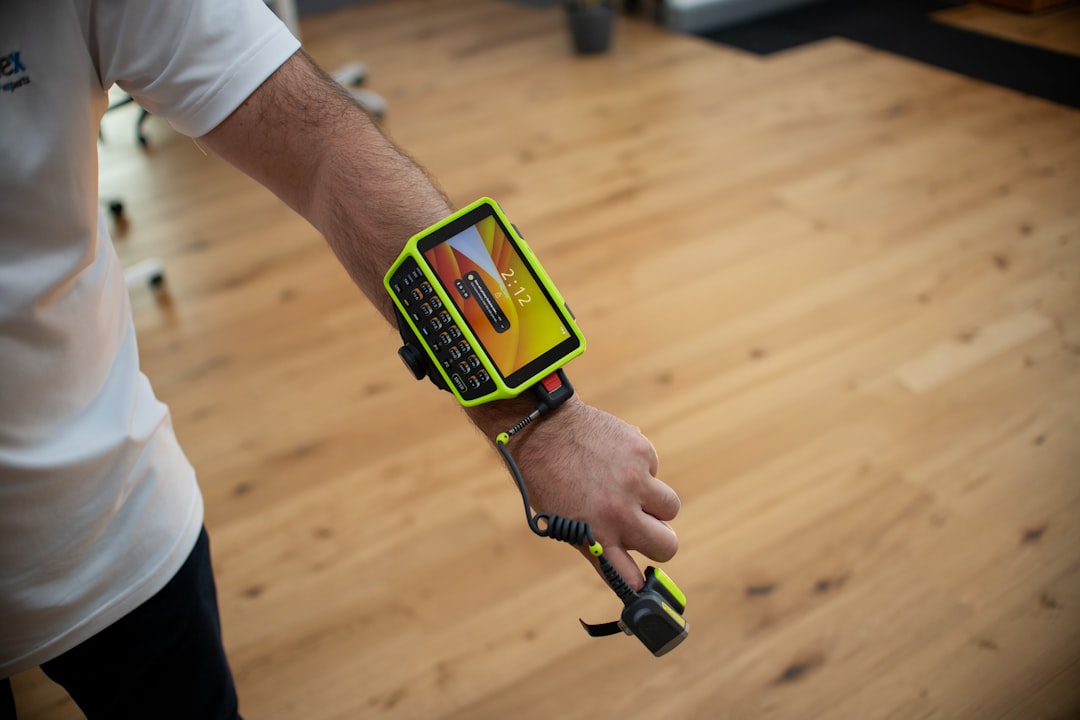

Manufacturing floors demand speed and accuracy. Wireless barcode scanners help track inventory in real time as items pass down the assembly line. Operators update stock levels immediately, reducing the risk of shortages or excess stock. The scanners communicate data directly to inventory systems via Bluetooth or Wi-Fi, which means fewer delays in reporting. It’s typical for workers to keep spare batteries or chargers handy to avoid downtime during long shifts.
Retail has shifted toward faster checkout experiences. Self-service kiosks with barcode scanners let shoppers complete purchases without waiting for staff. This smooths out busy periods and cuts queues. Retailers often train employees to reset scanners quickly when codes don’t register, preventing customer frustration. Integrating these scanners supports a more efficient flow and can lead to better customer retention.
Logistics operations benefit from reduced handling time using handheld barcode readers. When shipments arrive, scanning items into the system is faster and less error-prone than manual entry. Warehouse staff often organize incoming goods by scanning in batches, which helps keep records accurate and speeds up storage processes. Mobile devices that read both 1D and 2D barcodes on screens or paper add versatility across different shipments.
Choosing the right barcode scanner means understanding your business needs. Healthcare-focused models meet strict compliance rules and handle medical equipment and patient data reliably. Retail kiosk scanners prioritize speed and accuracy for quick checkouts. Industrial models offer rugged designs that survive drops, dust, or moisture on factory floors. Knowing these differences helps avoid costly mismatches between device capabilities and daily tasks.
Consider devices like the DT-90F Single Tube Reader or the DT-80 Self-Service POS Kiosk Barcode Scanner, designed with performance and durability in mind. These models often include features like adjustable scan angles and ergonomic grips that reduce user fatigue during extended use. Staff training usually covers proper handling techniques to minimize wear and prevent damage over time.
For more detailed product information, visit this barcode scanner resource. It offers specs on various models suited to different industries and workflows.
Investing in wireless barcode scanners isn’t about following trends; it’s about improving operational efficiency and accuracy. Focus on devices that connect easily with existing systems and are simple to operate across multiple environments. Reliable tools empower your team, reduce errors, and help maintain smooth business operations.
If you need guidance on selecting equipment for inventory management tasks, check out this inventory management device guide. It provides practical advice tailored to warehouse and retail settings.