A wooden chopping board is more than just a kitchen essential; it is a staple of culinary tradition and craftsmanship. Chosen for its natural beauty, durability, and functionality, a wooden board brings both aesthetic and practical value to any kitchen. Whether used for slicing vegetables, carving meats, or serving appetisers, its presence is often central to meal preparation and presentation.
The appeal of wooden chopping boards lies in their unique qualities. Each board is a product of nature, with individual grain patterns, colours, and textures that ensure no two pieces are exactly alike. This natural variation adds a touch of authenticity and rustic charm to any kitchen setting. Additionally, wood is known for being gentle on knives, helping to maintain the sharpness of blades over time compared to harder materials like glass or stone.
Health considerations also play a role in the preference for wooden boards. Studies have shown that certain hardwoods, such as maple and acacia, have natural antimicrobial properties. While no cutting surface is entirely bacteria-free without proper cleaning, wooden boards have demonstrated a remarkable ability to limit bacterial growth when cared for correctly. This makes them a reliable and hygienic choice for both home cooks and professional chefs.
Caring for a wooden chopping board requires a few thoughtful steps, but the reward is a long-lasting and visually pleasing kitchen tool. Regular cleaning with warm water and mild soap, followed by thorough drying, prevents warping and cracking. Periodic oiling with food-safe mineral oil can also help maintain the wood’s integrity and appearance. These simple maintenance habits ensure that a wooden board remains a trusted companion for years.
In addition to their practical benefits, wooden chopping boards are often chosen for their sustainability. Many are made from responsibly sourced wood, making them an environmentally conscious option. Unlike plastic boards, which may degrade over time and contribute to landfill waste, wooden boards are biodegradable and can be refurbished or repurposed when they show signs of wear. For those interested in eco-friendly kitchen solutions, a wooden chopping board is a thoughtful choice.
The versatility of wooden boards extends beyond chopping. Many people use them as serving platters for cheese, bread, or charcuterie, adding a rustic and inviting touch to dining occasions. Their sturdy construction and attractive finish make them suitable for both everyday use and special gatherings. Some boards even feature unique design elements such as juice grooves or handles, enhancing their utility and style.
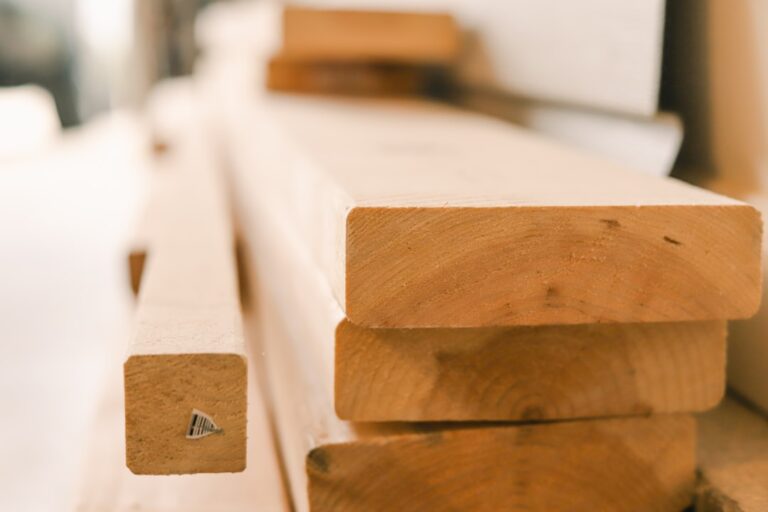
When selecting a wooden chopping board, the type of wood and craftsmanship are important considerations. Hardwoods like oak, walnut, and beech are popular for their resilience and attractive grain. The way a board is constructed—whether it’s edge-grain, end-grain, or face-grain—also affects its durability and performance. End-grain boards, for example, are prized for their ability to self-heal from knife cuts and are often preferred by professional chefs.
A well-made board can also reflect the values and lifestyle of its owner. For those who enjoy cooking and entertaining, a wooden board is both a functional tool and a statement piece. Its presence in the kitchen suggests a respect for quality materials and a passion for food preparation. As such, it often becomes a cherished item, passed down or gifted to others who appreciate craftsmanship.
For those seeking to elevate their kitchen experience with thoughtfully made and beautifully designed boards, exploring options from artisans and specialised retailers can be rewarding. A good starting point is to browse curated collections that offer a variety of styles and wood types to suit different preferences and needs. One such resource is available at this Australian kitchenware store, which features a selection of handcrafted wooden kitchen products.
In conclusion, a wooden chopping board is much more than a utilitarian surface; it is a reflection of tradition, sustainability, and craftsmanship. With proper care, it offers unmatched durability and aesthetic appeal, making it a worthy addition to any kitchen. Whether used daily or reserved for special occasions, its timeless quality ensures it remains a valued part of the culinary experience.