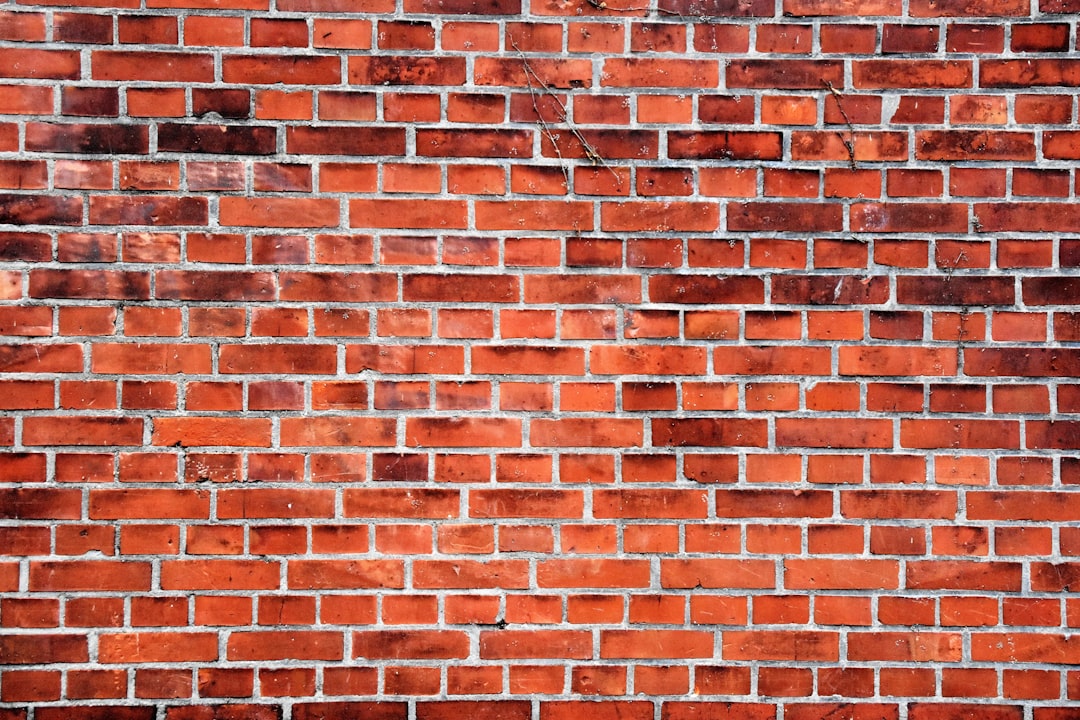
Picture a building where every brick tells a story. Hand crafted bricks aren’t uniform blocks made on an assembly line. Instead, each one is shaped by hand, fired individually, and carries subtle differences in texture and colour. These variations bring depth and character to walls that standard bricks can’t match. For architects and builders aiming to add personality to their projects, these bricks offer a way to break free from the monotony of mass-produced materials.
The process behind hand crafted bricks demands patience and skill. Unlike factory-produced bricks formed in bulk, these bricks go through a more hands-on approach. Artisans press the clay into molds or shape it by hand, then fire it carefully, sometimes adjusting the kiln temperature to achieve desired hues. This method means no two bricks are exactly alike, which adds richness to the finished wall. For example, a cafe owner wanting a cozy, timeless exterior might choose warm, unevenly coloured bricks that suggest heritage and craftsmanship.
Customization is a major benefit here. Whether you want rough, rustic surfaces that age well or sleek, smooth finishes that catch light just right, hand crafted bricks can deliver. A modern office building might use finely finished bricks with subtle gloss to reflect daylight indoors without glare. Meanwhile, a boutique hotel could embrace a rugged, textured look for an earthy vibe. These choices shape not just the look but the feel of a space, affecting how visitors experience the environment.
Beyond appearance, these bricks perform well in practical terms. Their density often provides solid thermal insulation, helping buildings maintain stable indoor temperatures. This reduces reliance on heating or cooling systems and can lower energy bills, a real advantage for businesses mindful of operational costs. Hand crafted bricks frequently resist moisture better than some conventional types, reducing risks of damp spots or mould growth. This durability means fewer repairs and less maintenance over time.
It’s common for new builders to overlook how brick style affects construction workflow. Hand crafted bricks may require more careful handling on site due to their irregularities. It’s wise to inspect shipments thoroughly and store bricks properly to avoid damage before installation. Coordinating with masons familiar with these materials prevents misalignments and ensures the pattern stays consistent. A simple habit is keeping samples on hand at the job site for quick reference during laying.
If your project calls for something distinctive, using hand crafted bricks can bring your vision to life with authenticity. They let you turn ordinary walls into features that draw attention and spark conversation. Whether designing a family home or a commercial space, choosing these bricks influences the building’s story and how people connect with it.
When sourcing materials, start local. Suppliers specialising in hand crafted bricks often have detailed knowledge of their products’ origin and can guide you toward styles that fit your design goals. You can find a variety of options by searching for hand crafted bricks, ensuring you pick the right aesthetic and performance traits.
Sustainability is increasingly important in material selection. Many hand crafted brick producers use natural clay and focus on reducing waste through traditional firing methods. This approach aligns with eco-conscious building practices. For more practical advice on integrating these materials into your plans, check out sustainable building materials insights. It offers useful resources without the fluff.