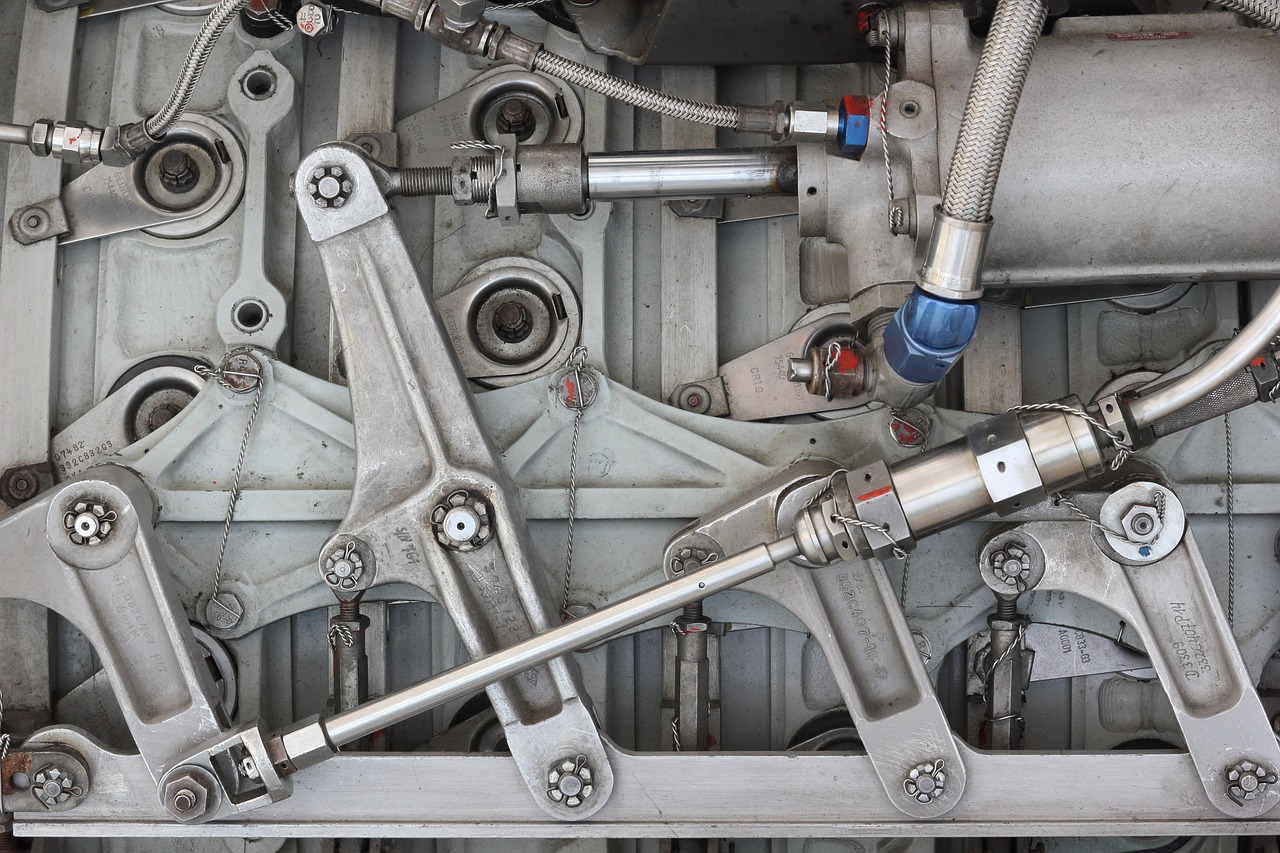
Hydraulic fittings are components used to connect hydraulic hoses, tubes and pipes. They have a wide range of applications in industrial, commercial and residential settings. They are designed to withstand high pressure, vibration and heat. Hydraulic fittings come in many shapes and sizes to suit different needs. They can be made from metal, plastic or synthetic materials such as rubber or PTFE Teflon.
Types of Hydraulic Fittings
There are many types of hydraulic fittings available on the market today. Common types include: crimp-style hose ends; compression unions; quick disconnects; O-ring face seals; flareless tube connectors; JIC/AN/ORFS adapters; NPTF thread adapters; tube elbows and tees. Each type is designed for a specific purpose, so it’s important to choose the right fitting for your application.
Uses of Hydraulic Fittings
Hydraulic fittings can be used in a variety of applications including automotive brakes, power steering systems, transmissions, pumps and motors. In industrial settings they are commonly used in construction equipment such as excavators or cranes as well as agricultural machinery like tractors or harvesters. In commercial settings they may be found in elevators or other automated systems that require pressurized fluid power to operate properly.
Advantages of Using Hydraulic Fittings
Using the correct type of hydraulic fitting for your application will ensure that your system operates correctly and safely at all times without any leaks or other issues caused by improper connections between components. Additionally it will save you time when assembling components since you won’t need to spend time troubleshooting if something isn’t connected correctly due to incorrect use of standard plumbing parts instead of specialized hydraulic fittings. Finally using proper hydraulic fittings will help extend the life span of your system by ensuring proper flow rates and maximum efficiency with minimal wear on connections due to vibration or pressure changes over time.
Installation Tips When Using Hydraulic Fittings
Make sure all connections between components have been tightened properly before applying any pressure – this includes clamps on hoses as well as threaded connections between pipes & tubes.#2 Check all seals & o-rings for damage before installation – replace if necessary.#3 Use thread sealant when connecting threaded parts together – this helps prevent leaks & reduces maintenance costs down the line.#4 Use teflon tape around threads – this helps create an even tighter connection between parts while also preventing corrosion & rusting.#5 Always check for tightness after installation – it is important that everything is secure before applying any pressure.
Don’t forget about safety – make sure you understand how much pressure each component can handle before installing them.Hydraulic fittings play an important role in connecting different components together within a fluid power system. By selecting the correct type, installing them properly, and following safety precautions, you can ensure that your system operates smoothly without any unexpected issues caused by improper use.