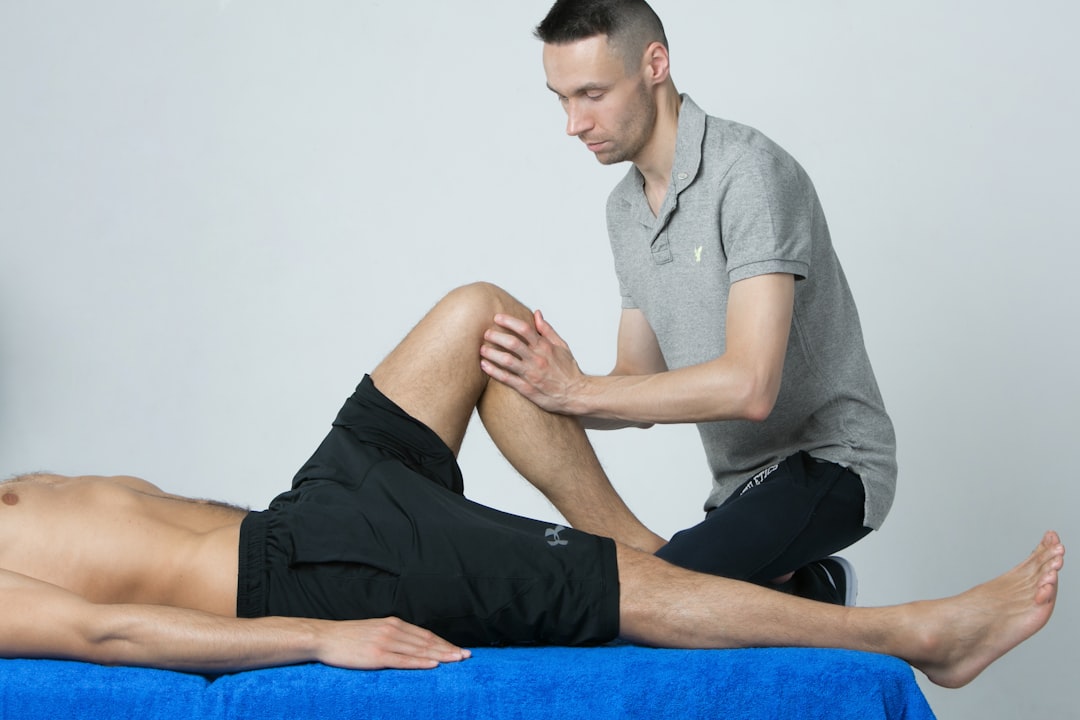
Training for an event like a marathon can be derailed by an unexpected muscle strain, such as in your calf. That’s where sports physiotherapy steps in. These specialists assess and treat injuries tied to physical activity, aiming to get you back on your feet quickly. Their approach isn’t just about fixing immediate problems; they work on improving your overall function and reducing the chance of future setbacks. This applies whether you’re running your first 5K or competing at a high level.
The first step with a sports physiotherapist is a detailed assessment. They’ll ask specific questions about your pain, check the affected area, and observe how you move. For example, if knee pain flares up during running, the therapist might analyze your gait and foot strike. This helps pinpoint causes like muscle imbalances or joint stiffness that aren’t obvious without careful examination. It’s common to spend more time discussing your daily habits and training routines than you expect.
Treatment usually blends hands-on therapy, targeted exercises, and advice on avoiding future injuries. Manual techniques might include massage or joint mobilisation to ease pain and restore movement. Exercise rehab strengthens muscles around the injury; say you’ve sprained an ankle, you’ll work on balance and stability drills to prevent repeats. Many therapists also review your footwear and training surfaces, as these factors often contribute to recurring problems.
Preventing injury is just as important as treating one. Sports physiotherapists identify risks like poor posture or uneven muscle strength and design personalised training plans to address them. A footballer might get drills that enhance agility and power while protecting vulnerable areas. These tailored programmes often require regular adjustments because an athlete’s body changes over weeks or months.
Technology has become a useful ally in treatment. Ultrasound therapy can reduce inflammation, while electrical stimulation encourages tissue repair. Not every clinic uses these tools the same way, so it’s worth asking how they fit into your recovery plan. Understanding what each modality does can help you feel more engaged rather than passive during rehab.
If you need expert care, look for local sports physiotherapy services with experience across different sports and skill levels. In Bondi Junction, for example, practitioners treat everything from minor strains to chronic issues. Whether you’re a weekend warrior or a competitive athlete, getting professional input can make a difference in how quickly and effectively you recover. You can explore options at sports physio bondi junction.
Recovery isn’t just physical. Mental readiness matters too, especially when returning after a significant injury. A good physiotherapist offers support and motivation throughout rehab, helping you set realistic goals and manage setbacks. They often recommend simple strategies, like keeping a symptom diary or noting improvements in range of motion, which can keep you focused.
Many athletes stop treatment once pain fades but maintaining progress requires ongoing attention. Follow-up visits allow therapists to tweak your exercises and training load based on how well you’re coping. This prevents old injuries from flaring up again and helps maintain peak performance. For continued guidance on maintaining fitness and preventing injuries, consider resources like sports injury recovery advice.