Hydraulic systems keep industrial machinery running, often under intense pressure and tough conditions. The fittings in these systems connect hoses, valves, and other components, allowing fluid to move without leaks or interruptions. Choosing the right hydraulic fittings isn’t just about matching sizes; it requires understanding pressure ratings, thread types, and material compatibility to avoid costly downtime.
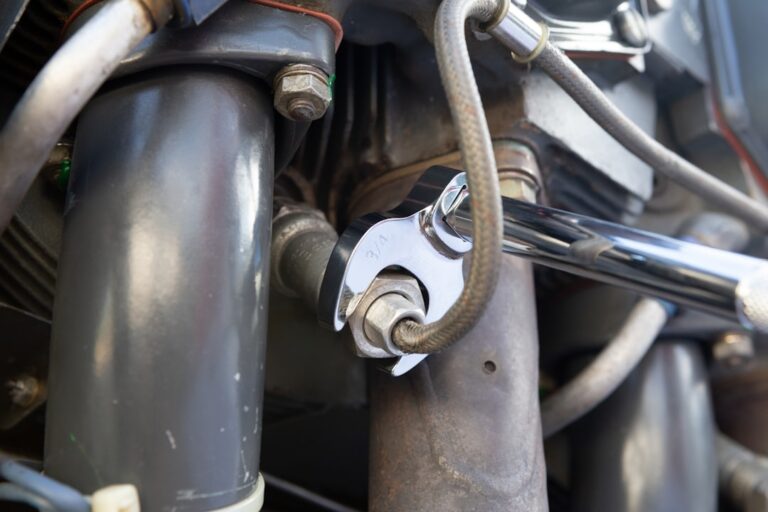
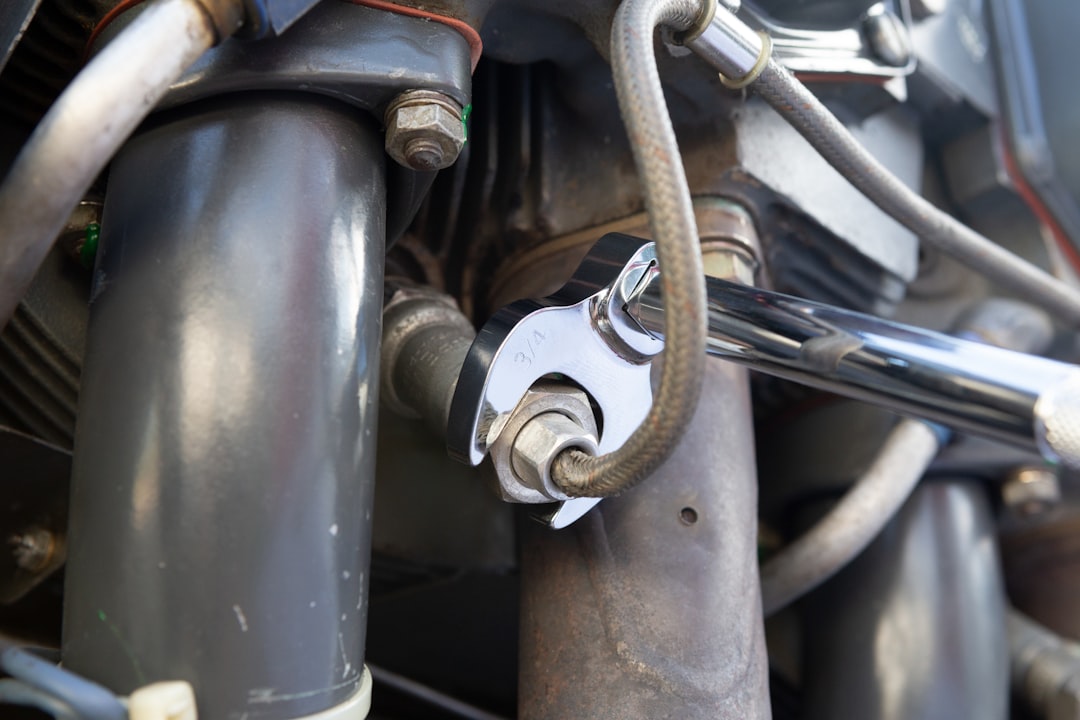
Leaks at connections are a headache on every shop floor. A hose fitting that isn’t properly tightened or uses the wrong thread can start dripping, which wastes fluid and risks damaging equipment. I’ve seen maintenance teams spend hours tracking down leaks caused by mismatched fittings or incorrect assembly. Double-checking thread specs and using proper torque tools helps prevent these common errors.
Hydraulic fittings come mainly in threaded, flanged, and quick-disconnect varieties. Threaded fittings are popular due to their ability to hold tight under high pressure, but they need careful installation to avoid stripping threads. Flanged fittings suit bigger systems, providing a solid joint that’s easier to open during repairs. Quick-disconnects save time when frequent hose changes are needed, but they usually handle lower pressures.
Material choice affects both durability and corrosion resistance. Steel fittings dominate heavy-duty applications for their strength and pressure tolerance, but they can rust if exposed to moisture. Brass is better in less demanding settings where corrosion might be a concern, like with water-based fluids. Plastic fittings have their place in low-pressure or non-critical lines, but they won’t hold up under heavy loads. Understanding these trade-offs can guide smart purchases.
Compatibility is more than matching thread sizes. Some hoses and connectors follow different standards or sealing methods, such as O-rings versus metal-to-metal seals. Mixing these up risks leaks or early failures. Many technicians keep detailed records of their system specs, including part numbers and manufacturer details. This habit cuts confusion when ordering replacements or upgrades.
Working with suppliers who focus on hydraulic components can save a lot of hassle. They usually offer advice based on your specific system pressures, fluid types, and operating temperatures. A good supplier will also alert you to newer fitting designs or materials that might extend service life. Check out hydraulic fittings from trusted sources to compare options.
Technology in hydraulic fittings keeps evolving. New sealing techniques reduce leak risks even under vibration and thermal cycling. Advances in coatings improve corrosion resistance without adding bulk. Staying current with these developments can help avoid frequent repairs and reduce maintenance costs. For practical advice on maintaining hydraulic systems, visit hydraulic maintenance tips.