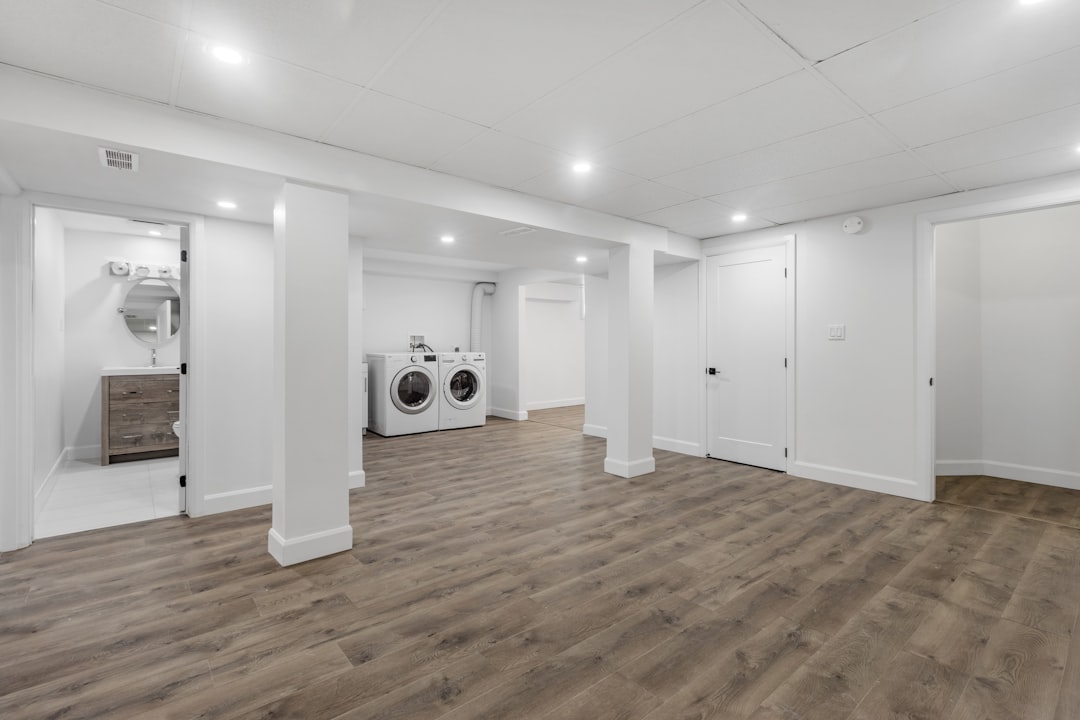
Turning a basement from a dark, cluttered storage area into a lively, usable space is more achievable than most homeowners think. With careful planning, your basement can become a cozy family retreat, a guest apartment, or even a rentable unit that adds income. The key is to treat the renovation as more than just a cosmetic fix and focus on functionality and safety.
Before any work begins, check your local building codes closely. Fire safety is non-negotiable: interconnected smoke alarms and proper egress windows for bedrooms must be installed to meet legal standards. These requirements protect everyone living in the space and prevent headaches down the line if you decide to rent the unit. Getting permits early helps avoid costly fines and ensures your work passes inspection.
Waterproofing is often overlooked but must come first. Installing sump pumps, sealing foundation cracks, and setting up drainage systems keep moisture out and prevent mold or structural damage. Even minor leaks can cause major problems years later. Ask contractors to inspect for signs of dampness before finishing walls or floors. A dry basement is essential for comfort and durability.
Working with experienced basement renovators pays off. They prepare detailed plans aligned with your vision and handle permits with the city. A clear, step-by-step project plan prevents surprises and keeps costs in check. Also, clarify who is responsible for inspections and ensure all subcontractors are licensed. Good communication avoids misunderstandings that often lead to rework.
Think about how the space will function. If renting is part of your goal, separate entrances and kitchenettes make the unit more appealing. Soundproofing walls and upgrading insulation improve tenant comfort. Quality finishes matter too , durable flooring and moisture-resistant drywall save money over time by reducing repairs.
Budget realistically. Costs vary based on size, design complexity, and materials. Expect $20 to $50 per square foot for basic finishing, but custom kitchens or bathrooms can increase expenses. Collect multiple quotes and ask for itemized estimates to compare apples to apples. Don’t forget to factor in costs for permits and inspections, which some homeowners underestimate.
Your renovation starts with a clear conversation about needs and priorities. Sharing detailed plans and budget limits with professionals helps shape what’s doable. They can spot potential issues early, like low ceiling heights or plumbing challenges, which might affect design choices. Don’t hesitate to ask for references or visit previous projects to gauge quality.
If you want examples of successful projects and more guidance on local rules, check resources on basement renovation vaughan. Practical information like permit checklists and waterproofing tips are often included.
Remember, turning your basement into a comfortable living area takes effort beyond surface updates. Proper safety features, moisture control, thoughtful design, and working with reliable contractors all contribute to a finished space that lasts.
For general home improvement advice and ideas on related renovations, explore home remodeling ideas.