Designing a small cafe shop involves more than just picking out furniture and paint colors. It’s about creating an inviting atmosphere that encourages customers to linger, enjoy their coffee, and return. In a competitive market, the design of your cafe can significantly influence customer experience and brand identity. A well-thought-out layout, aesthetic harmony, and functionality are all essential to make the most of limited space.
The first step in designing a small cafe is understanding the space you have and optimizing it for both customer comfort and staff efficiency. Every square foot matters. The layout should allow for smooth flow between the counter, seating, and other service areas. Even in a compact space, there should be clear pathways to avoid congestion, especially during peak hours. Incorporating multi-functional furniture can help, such as tables that can be joined together or stools that tuck neatly under counters.
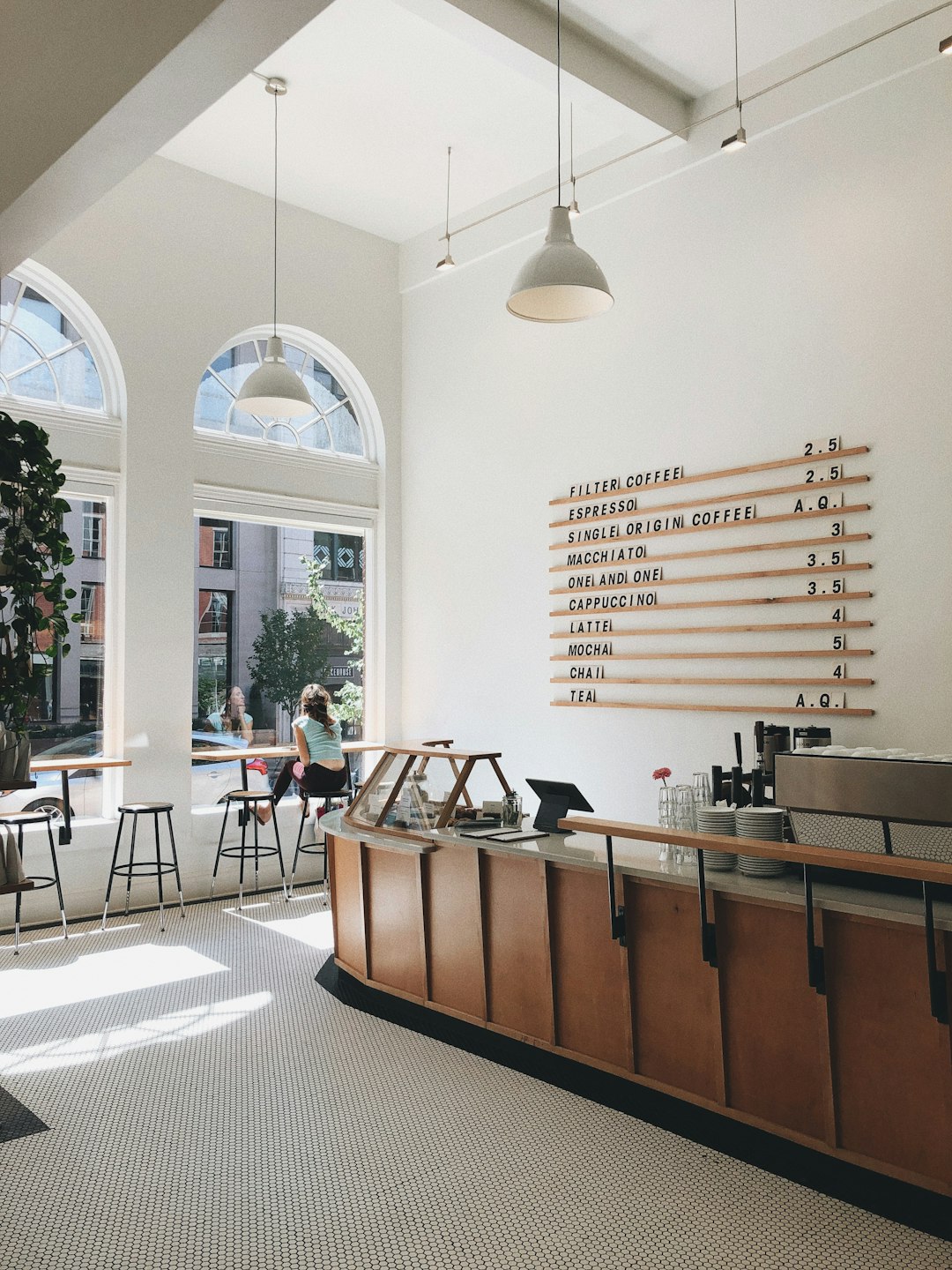
Lighting plays a crucial role in setting the mood. Natural light is always a plus, but when it’s not available, ambient lighting can replicate the warmth and brightness needed for a cozy environment. Lighting can also help define different zones, such as a quiet reading corner or a busy ordering area. Choosing the right fixtures can enhance the overall theme of the cafe, whether it’s rustic, modern, or minimalist.
Color schemes and materials should reflect the cafe’s brand and target audience. Soft, earthy tones can create a calm and inviting atmosphere, while bold colors might appeal to a younger, more dynamic crowd. Sustainable materials like reclaimed wood or recycled metal are not only environmentally friendly but also add character to the space. Texture and contrast in materials can also make a small area feel more dynamic and visually interesting.
Storage is often overlooked in small cafe shop design, but it’s vital for day-to-day operations. Smart storage solutions help keep the space tidy and organized without sacrificing design. Built-in shelving, under-seat drawers, and vertical storage can maximize space without cluttering the customer area. Keeping clutter out of sight improves the visual appeal and contributes to a more relaxing customer experience.
The seating arrangement is another key component. A mix of seating styles such as bar stools, booths, and small tables can cater to different customer needs. Some patrons may want to sit and work on a laptop for hours, while others are just grabbing a quick espresso. Offering flexible seating options ensures broader appeal and customer satisfaction.
Incorporating local art or community-focused elements into the design can help build a connection with your customers. Wall art, chalkboard menus, and personalized touches make the space feel unique and authentic. These details subtly communicate the cafe’s values and personality, encouraging customer loyalty and word-of-mouth promotion. For those looking to dive deeper into the principles of small cafe shop design, specialized resources can offer in-depth guidance.
Sound design is also often underestimated. Acoustic panels, soft furnishings, and layout choices can control noise levels, making the space more comfortable for conversation and relaxation. Background music should be chosen carefully to suit the cafe’s vibe without overwhelming patrons.
Technology integration is becoming increasingly important. Point-of-sale systems, online ordering stations, and Wi-Fi access are expected by many customers. However, these should be integrated subtly so as not to disrupt the aesthetic. Charging stations can be both functional and stylish if designed properly, adding value to the customer experience.
Seasonal decor and flexible design elements allow the space to evolve. Moveable furniture, changeable wall displays, and adjustable lighting give the owner the ability to refresh the look without a major overhaul. This keeps the atmosphere engaging and can even draw in repeat customers curious to see what’s new.
Finally, the exterior design should not be neglected. A well-designed shopfront, clear signage, and a small seating area or greenery can attract foot traffic and set the tone before a customer steps inside. The exterior is the first impression and should be as thoughtfully designed as the interior.
For more insights and resources on how to build and run a successful coffee venture, visit this comprehensive coffee business guide which covers everything from operations to customer engagement.