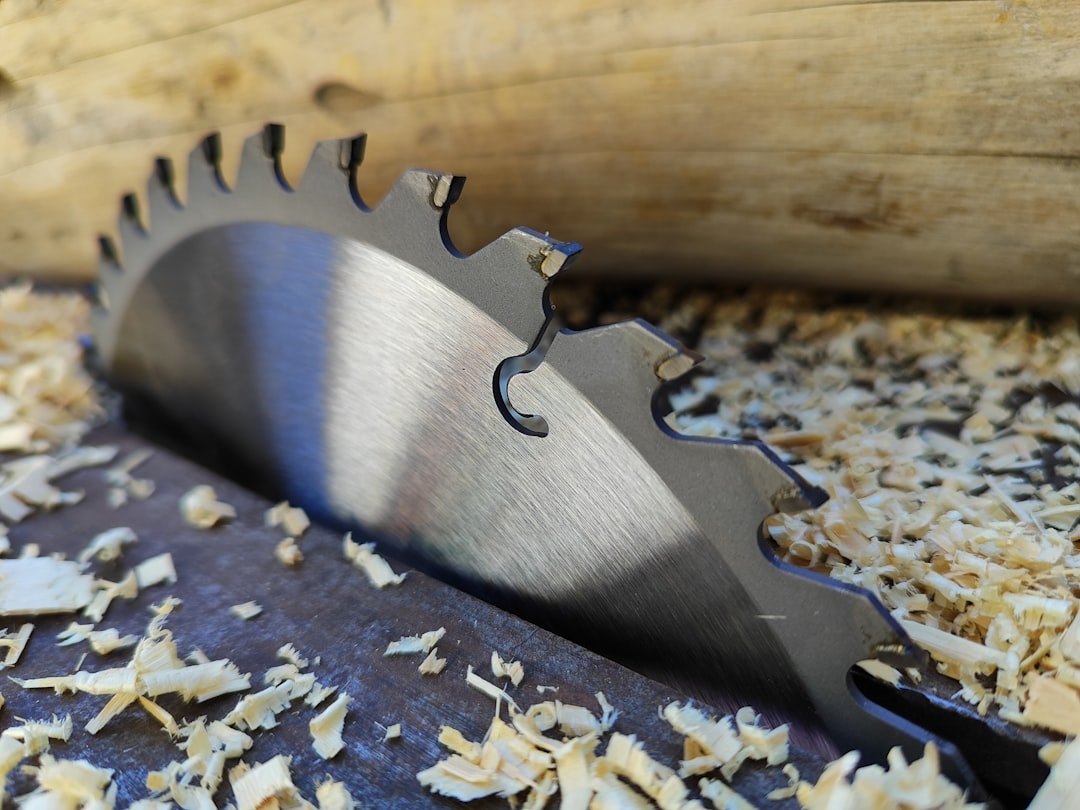
Cut through wood and metal. The reciprocating saw blade is an essential tool for both professional contractors and DIY enthusiasts. Known for its ability to tackle a wide range of cutting tasks, this blade is commonly used in demolition, renovation, plumbing, and landscaping projects. Its aggressive cutting action and versatility make it a go-to choice when precision is less of a priority than speed and efficiency.
The effectiveness of a reciprocating saw blade depends primarily on its tooth configuration, length, thickness, and material. Blades come in various tooth-per-inch (TPI) counts, each suited for different materials. A low TPI, typically between 6 and 11, is ideal for fast, rough cuts through wood or pruning branches. Higher TPI blades, in the range of 18 to 24, are better suited for cutting metal, pipe, or thin sheet materials. Medium TPI blades offer a balance, making them useful for cutting both wood and metal when switching blades isn’t practical.
Blade length also plays a role in performance. Shorter blades offer more control and are usually used for precision work or when working in tight spaces. Longer blades provide a deeper stroke and are better suited for thick materials or demolition tasks. Thickness and width affect stability. Thicker blades resist bending and are ideal for heavy-duty jobs, while thinner blades allow for more flexibility, especially when making plunge cuts or curved cuts.
In addition to tooth count and size, the material composition of a reciprocating saw blade matters. High-carbon steel blades are more flexible and suitable for wood and softer materials. Bi-metal blades combine flexibility and durability, making them a popular choice for cutting through a mix of materials. Carbide-tipped blades, while more expensive, are built for longevity and can handle cutting through hardened metals, stainless steel, and even masonry in some cases.
Selecting the right reciprocating saw blade for your specific application can significantly affect the outcome of a project. For example, demolition jobs benefit from heavy-duty blades that can withstand nails and embedded materials, while plumbing tasks require narrow blades capable of making precise cuts in tight spots. Landscaping applications, such as pruning trees and shrubs, demand blades designed to remain sharp while cutting green wood or roots.
Proper use and maintenance can extend the life of your saw blades. Always ensure the blade matches the material being cut to avoid premature wear. Cutting metal with a wood blade, for instance, will dull the teeth quickly and potentially damage the blade. Allowing the blade to do the work without exerting excessive pressure helps maintain its integrity. Regular inspection for missing teeth, warping, or dullness is also important. Replacing blades when they show signs of wear helps ensure cleaner cuts and reduces stress on the saw itself.
Safety should never be overlooked when using a reciprocating saw. Always wear appropriate protective gear, including gloves and safety goggles. Secure the material before cutting and be mindful of what lies behind the surface, especially in demolition scenarios where wires or pipes may be hidden. A stable grip and awareness of kickback can also prevent accidents, especially when working with tougher materials or longer blades.
For those expanding their tool kit or tackling more complex renovation tasks, understanding the nuances of reciprocating saw blades can lead to better outcomes and fewer frustrations. From choosing the right blade for the job to knowing how to maintain it, these details contribute to the effectiveness and safety of any project. Whether you’re cutting through nails, PVC, tree limbs, or metal conduit, the right blade makes all the difference.
For more information on selecting blades and other tools for your next job, visit this hardware solutions resource where you can explore a range of options tailored to different needs and materials.