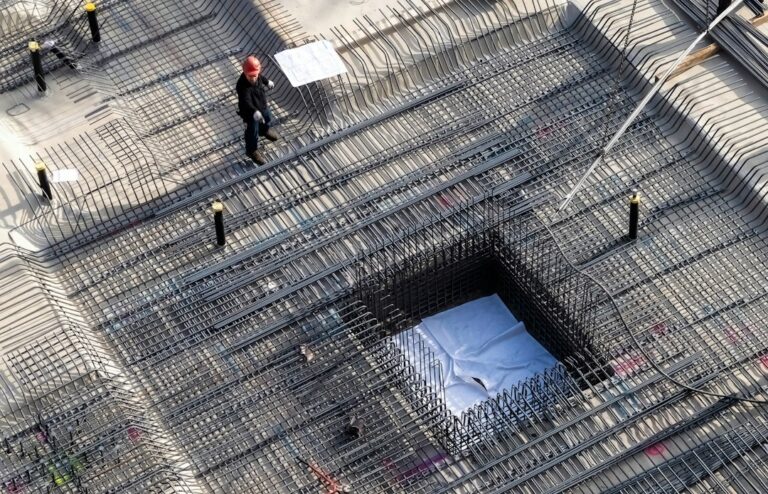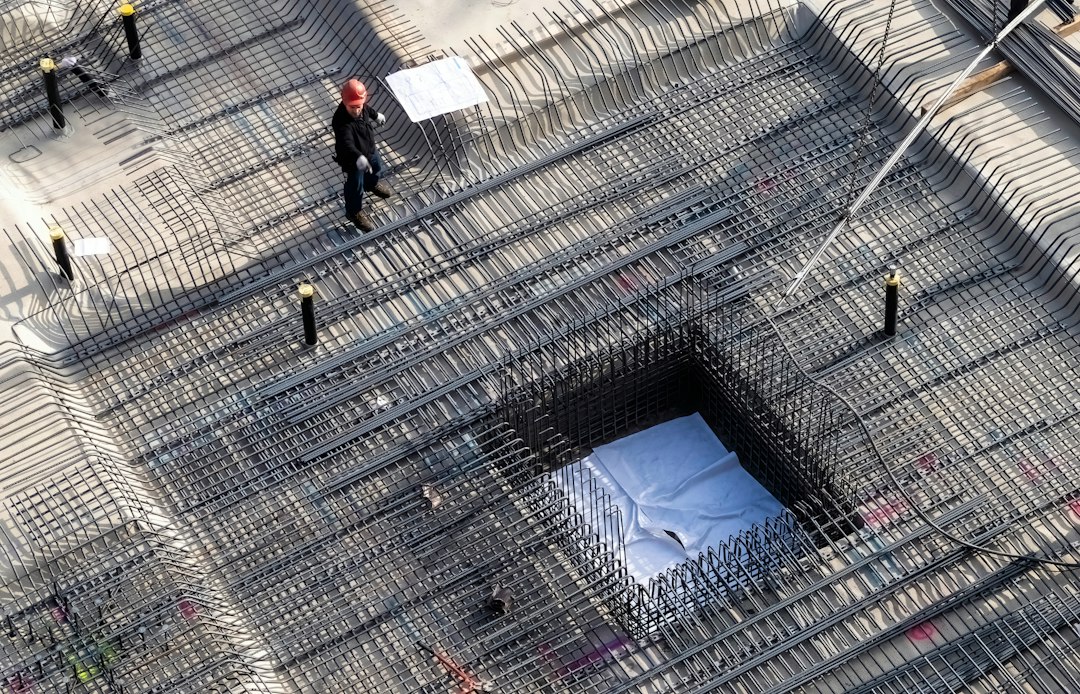

Water pressure changes the problem. Soil can push water against a below-grade wall, a condition known as hydrostatic pressure. A coating that handles occasional splashes may fail when pressure forces moisture through a crack or construction joint. Capillary action creates another route: tiny pores in concrete and brick can draw water upward, much like a paper towel absorbs a spill. Before selecting a membrane, check whether gutters discharge near the wall, whether the ground slopes toward the building, and whether plumbing is leaking. Fixing those sources can be more effective than adding another layer.
Waterproofing systems also involve trade-offs. A liquid membrane forms a continuous film around corners and irregular shapes, which can reduce weak seams when it is applied at the specified thickness. Sheet membranes provide a controlled factory-made layer, but their joints and penetrations need careful detailing. Breathability matters on some walls because vapor can move through materials even when liquid water cannot. A low-permeability coating may block outside moisture while trapping moisture already inside the wall. For projects comparing approaches, quality waterproofing should mean a system suited to the exposure, substrate, and planned use, not simply the thickest product.
Surface preparation often determines whether the repair lasts. The substrate is the material receiving the membrane, such as concrete, masonry, metal, or timber. It must be sound, clean, and free of dust, oil, loose paint, and standing water unless the system specifically permits damp application. Cracks may need cleaning and filling, while sharp ridges can puncture a membrane. Adhesion is the bond between the waterproofing layer and that substrate. A small test area can reveal contamination or incompatibility before the whole wall is coated. Skipping this step can leave a surface that looks complete but lifts at edges.
Corners, drains, pipe penetrations, and movement joints deserve more attention than broad, flat areas. Water tends to find gaps where different materials meet, and a rigid coating can split if a joint moves. Reinforcing fabric, sealant, or a flexible detailing layer may be appropriate, depending on the system instructions. At a shower, for example, the wall-to-floor junction and pipe openings need a continuous treatment beneath the finished tile. On a retaining wall, protection and drainage layers can reduce the water load reaching the membrane. Waterproofing cannot replace a blocked drain or a missing flashing detail.
Application conditions affect curing, the process by which a coating develops its intended properties. Cold temperatures, excessive humidity, rain, or a dusty surface can extend drying time or weaken the finished film. Applying a second coat too early may trap solvent or water; waiting too long without following recoat guidance can reduce intercoat bonding. A practical inspection checks coverage, pinholes, exposed edges, and damage from later trades. Keep records of the product, batch, surface preparation, weather, and coverage. For broader waterproofing system guidance, the manufacturer’s technical documents should take priority over informal advice.
The cheapest proposal is not always the lowest-cost repair. A contractor may price only the visible wall while excluding excavation, crack repair, drainage changes, protection boards, or removal of failed coatings. Ask what water source was identified, which surfaces are included, how penetrations will be treated, and how the completed work will be checked. Consider the consequence of failure: a finished basement, archive room, or occupied apartment may justify more testing and protection than an unfinished shed. After installation, keep drains clear, watch for new staining, and address small changes before water reaches interior finishes.