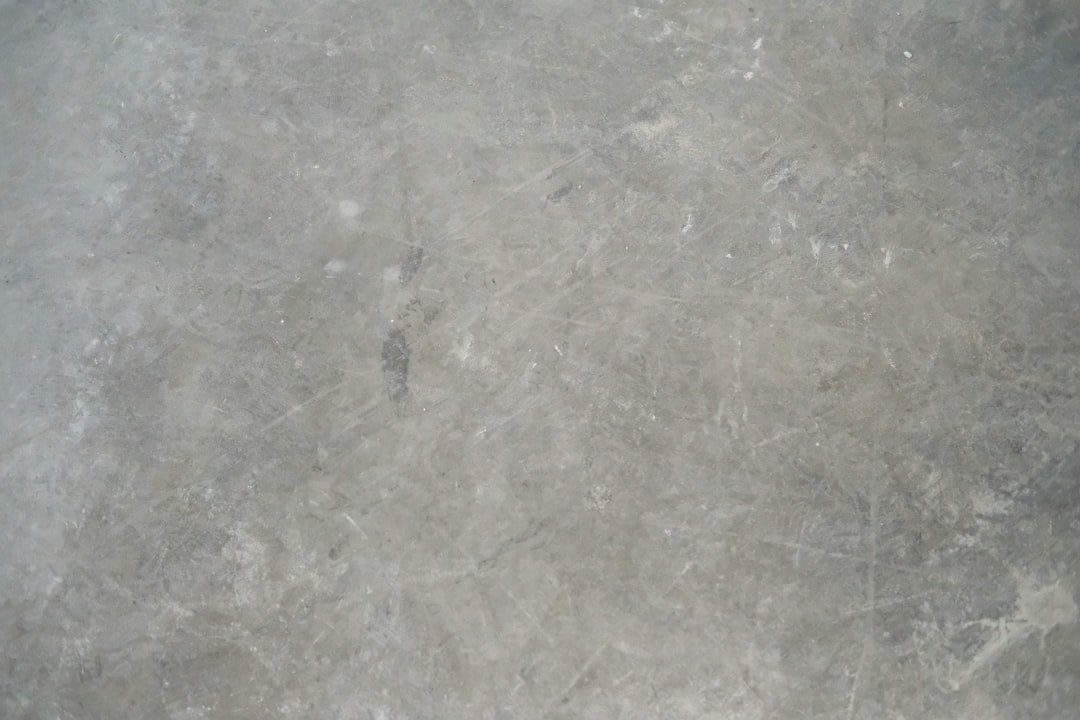
Polished concrete floors have become a popular choice in modern architecture and interior design, offering a sleek, durable and low-maintenance flooring solution. Known for their clean, contemporary appearance, these floors are suitable for both residential and commercial spaces, providing a versatile foundation that complements a wide range of design aesthetics.
One of the key reasons behind the growing appeal of polished concrete is its longevity and resistance to wear. Unlike traditional flooring materials such as carpet or vinyl, polished concrete does not require frequent replacement or intensive upkeep. The surface is treated and sealed to prevent dusting and staining, which makes it ideal for high-traffic areas or homes with pets and children. With proper care, these floors can maintain their shine and structural integrity for decades.
In addition to their practicality, polished concrete floors contribute to energy efficiency. Their high thermal mass helps regulate indoor temperatures by absorbing, storing and releasing heat. This can reduce reliance on heating and cooling systems, potentially lowering energy bills over time. Furthermore, the reflective surface of polished concrete enhances natural light within a room, reducing the need for artificial lighting during the day.
Homeowners and business owners alike are drawn to the customisation options available with polished concrete floors. Different levels of sheen, aggregate exposure, and colour staining techniques allow for a tailored finish that suits individual preferences. Whether aiming for a glossy, high-end look or a more understated matte finish, polished concrete can be adapted to match the desired atmosphere and function of any space.
Another advantage of this flooring type is its sustainability. Polished concrete makes use of existing concrete slabs, eliminating the need for additional materials. This not only reduces waste but also minimises the environmental impact associated with the production and transportation of other flooring products. In green building projects, polished concrete can contribute to LEED certification points due to its sustainable attributes.
The installation process is methodical and requires skilled craftsmanship to achieve the right balance of smoothness, shine and durability. Diamond grinding tools are used to refine the surface, followed by a series of polishing stages that enhance the floor’s appearance and strength. Once sealed, the surface becomes resistant to moisture and stains, making it suitable for kitchens, bathrooms and commercial showrooms.
For those considering an upgrade to their flooring, it’s worth exploring the benefits and design potential offered by concrete finishing solutions. Whether renovating a home, outfitting a new build, or refurbishing a business premises, polished concrete provides a modern, functional and visually appealing alternative to traditional flooring materials.
Ultimately, polished concrete floors strike a balance between aesthetic appeal and practicality. Their durability, low maintenance, energy efficiency and customisation options make them a smart investment for long-term flooring solutions. As design trends continue to favour minimalist and industrial styles, polished concrete is well positioned to remain a preferred choice among architects, designers and property owners.