Hip bursitis is a common condition where the bursae, small fluid-filled sacs that cushion the hip joint, become inflamed. This can cause pain on the outside of the hip, especially when lying on the affected side, walking, or climbing stairs. While it can affect people of all ages, it is more prevalent in older adults and those who engage in repetitive hip movements or have poor posture. Physiotherapy is often recommended as a key part of treatment to relieve symptoms and prevent recurrence.
A physiotherapist will typically begin with a thorough assessment to determine the underlying causes and severity of the condition. They will look at posture, gait, muscle strength, flexibility, and biomechanics. From this evaluation, a tailored treatment plan is developed to address not only the inflammation but also the contributing factors.
Initial treatment may focus on reducing inflammation and relieving pain. This can include activity modification, ice application, and gentle stretching. Once the acute discomfort subsides, a progressive rehabilitation programme is introduced. This often involves strengthening exercises for the gluteal muscles, core stabilisation routines, and techniques to improve hip mobility. These exercises help offload the irritated bursae and support better hip alignment.
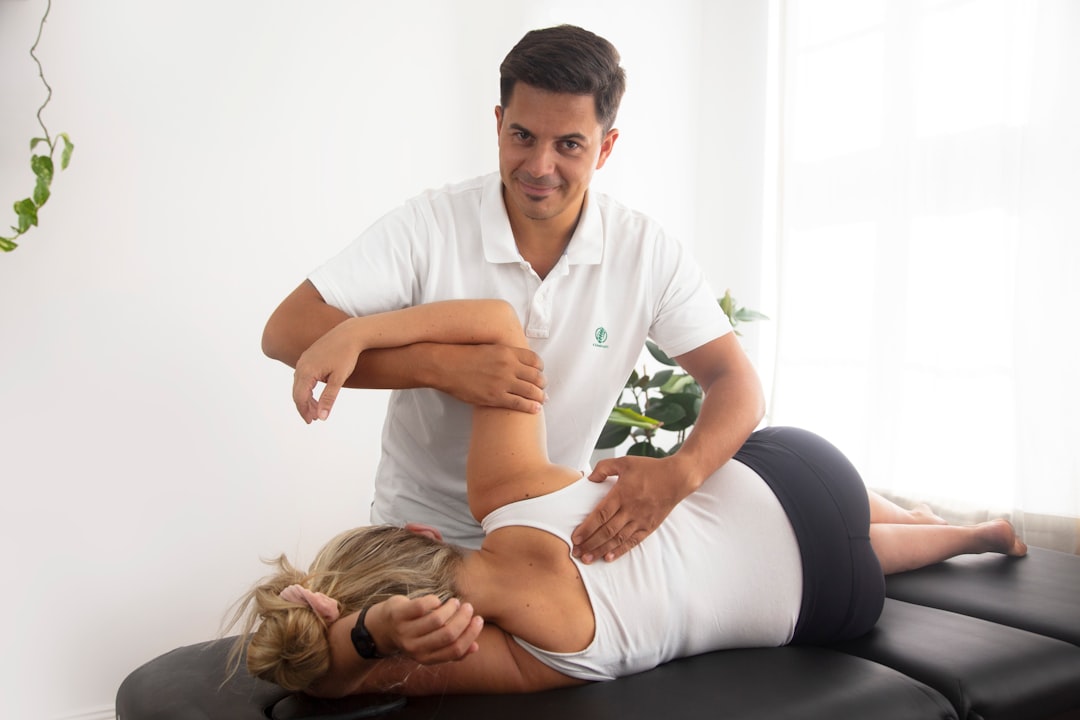
Manual therapy may also play a role. Techniques such as soft tissue massage, joint mobilisation, and dry needling can help ease tension and restore normal movement patterns. Education is another essential component. Physiotherapists will guide patients on how to avoid aggravating activities, improve posture, and use appropriate footwear to reduce stress on the hip.
Many people find that physio for hip bursitis not only alleviates pain but also enhances daily function. With consistent adherence to the prescribed plan, most individuals experience significant improvement within a few weeks to a couple of months. However, results can vary depending on the severity of the condition and how early treatment begins.
In some cases, hip bursitis can be associated with other biomechanical issues such as leg length discrepancies or spinal misalignments. Addressing these with a holistic approach is crucial for long-term relief. A physiotherapist may work in conjunction with other health professionals to ensure comprehensive care.
For those dealing with recurring episodes, preventative strategies are key. Regular strengthening and stretching, maintaining a healthy weight, and avoiding prolonged pressure on the hips can help. If pain returns, early intervention is advisable to avoid chronic inflammation or compensatory movement patterns.
To learn more about how a personalised treatment plan can support your recovery, visit your local physiotherapy clinic for expert guidance and care that suits your specific needs.