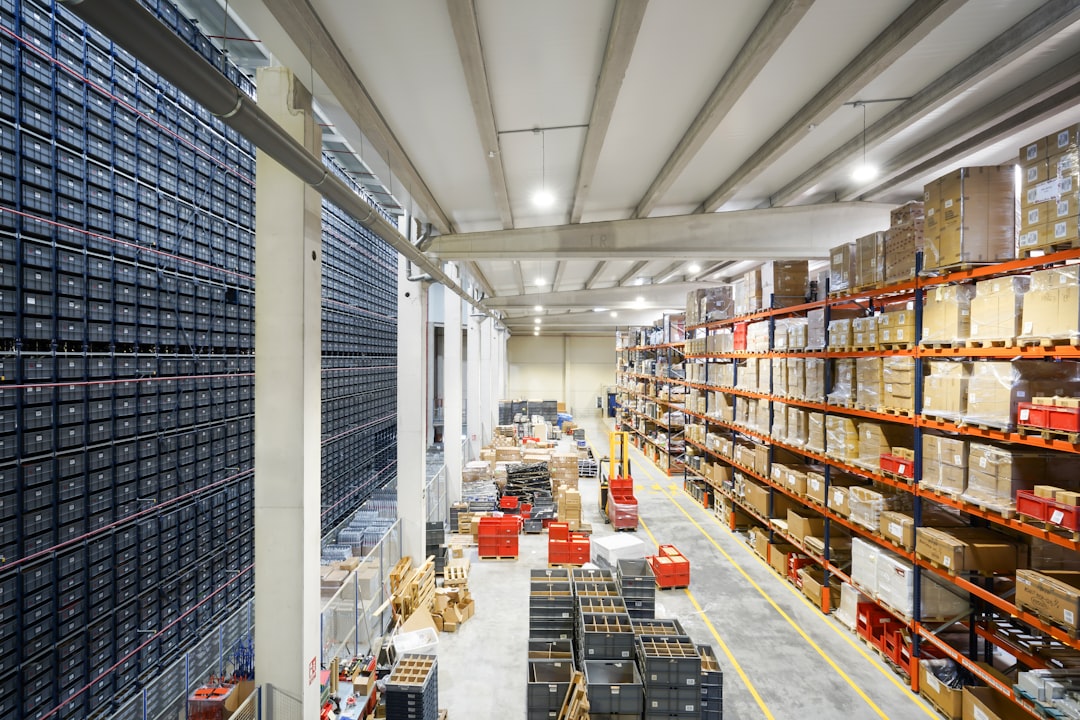
In the fast-paced world of supply chain and distribution, the ability to coordinate, monitor and optimise logistics is no longer a luxury but a necessity. Businesses of all sizes, from small delivery firms to expansive manufacturing networks, are realising the importance of integrating technology into their logistics operations. Logistics management software has emerged as a key tool in ensuring that goods move efficiently, processes are streamlined, and customer satisfaction is maintained.
Modern logistics involves numerous moving parts, from inventory tracking and freight scheduling to warehouse planning and delivery route optimisation. Managing these elements manually is not only time-consuming but also prone to error. This is where digital logistics solutions become invaluable. By centralising data and automating routine tasks, logistics software enables companies to make informed decisions faster and with greater accuracy.
One of the most significant advantages of using logistics software is the visibility it provides. With real-time tracking, businesses can monitor shipments, predict delivery times and quickly respond to disruptions. This level of insight reduces uncertainty and improves communication across departments and with customers. Enhanced visibility also helps in identifying inefficiencies, such as delays or underutilised resources, which can then be addressed proactively.
Another crucial benefit is cost control. Transportation and warehousing are some of the most expensive components of a supply chain. With the right system in place, companies can optimise routes, reduce fuel consumption and better manage inventory levels. This not only cuts costs but also contributes to sustainability efforts. Furthermore, avoiding overstocking or understocking helps maintain a balanced inventory, preventing both lost sales and excess storage fees.
The role of logistics management software is not just about efficiency. It also plays a pivotal part in safety and compliance. With constantly changing regulations and standards, particularly in sectors like food, pharmaceuticals and hazardous materials, having a robust system ensures that all guidelines are met. Automated record-keeping and reporting can significantly reduce the administrative burden while ensuring accuracy in documentation.
Integration capabilities are another reason why logistics software is gaining traction. Modern platforms are designed to connect seamlessly with other business systems such as enterprise resource planning (ERP), customer relationship management (CRM), and finance tools. This interconnectedness ensures that information flows smoothly across departments, reducing silos and enabling a more cohesive workflow.
Scalability is also a key feature. As businesses grow, their logistics needs become more complex. A good software solution can scale accordingly, accommodating increased volumes, more locations and additional users without a hitch. This flexibility means that companies can invest in a system with confidence, knowing it will support them as they expand.
Employee productivity also sees a boost with the implementation of such systems. Automating routine tasks like scheduling, invoicing and inventory updates frees up staff to focus on more strategic roles. It also reduces the likelihood of human error, leading to fewer mistakes and improved accuracy in operations. Training new staff becomes easier too, as most modern software platforms are designed with user-friendly interfaces and guided onboarding.
Customer service, often a differentiator in competitive markets, also benefits from improved logistics. When businesses can provide accurate delivery estimates, respond quickly to queries, and resolve issues with minimal delay, customer satisfaction naturally increases. This reliability can lead to stronger relationships and repeat business, making logistics software not just an operational tool, but a strategic asset.
For companies looking to future-proof their operations, adopting a comprehensive logistics solution is a step in the right direction. With the rise of e-commerce, global shipping and heightened consumer expectations, the need for efficient, adaptable logistics systems is more pressing than ever. By embracing digital transformation in this area, businesses can stay ahead of the curve and position themselves for long-term success.
To explore how tailored solutions can support your operational goals, visit this logistics software provider offering customisable services for various industries.