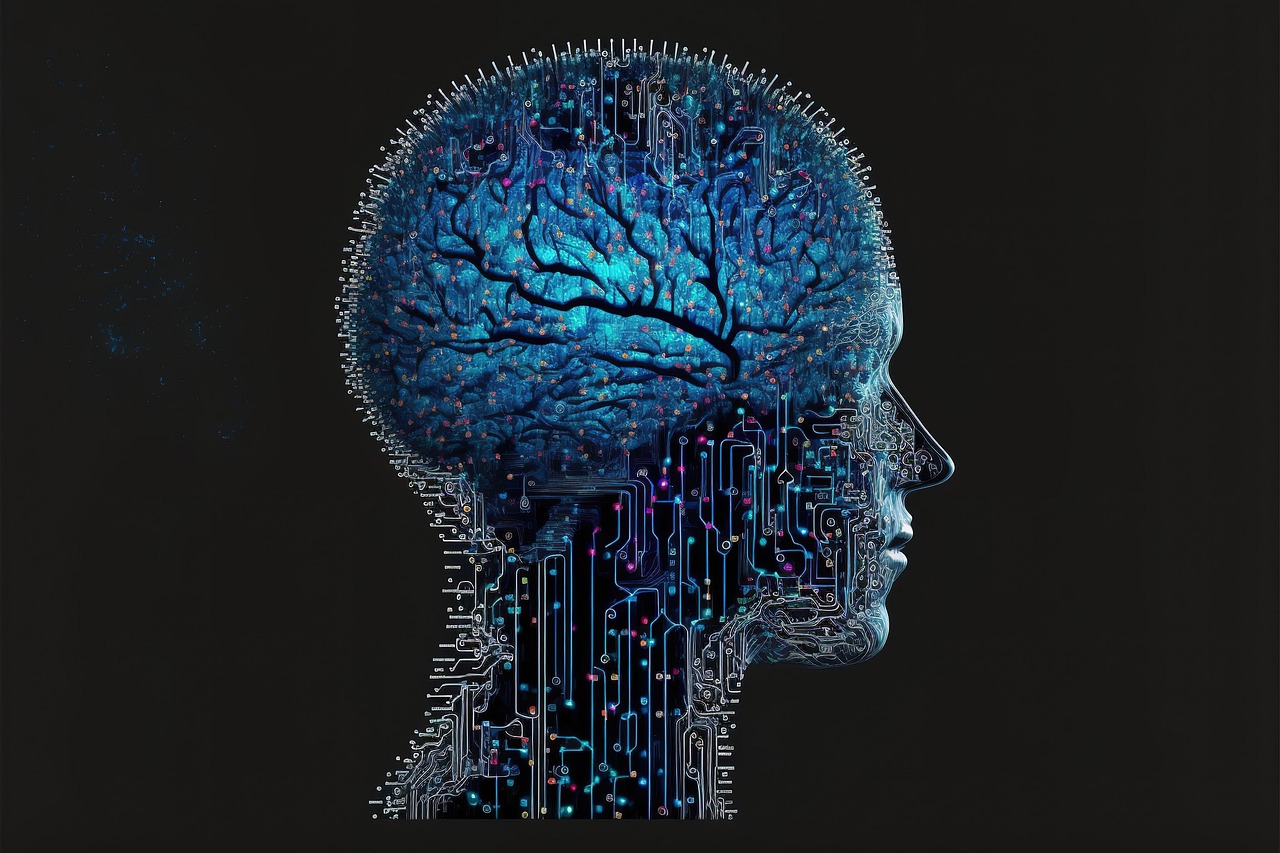
The brain is a fascinatingly complicated organ that governs our emotions, behaviors, and ideas. One of the fundamental aspects of learning and cognitive development is its capacity to learn and adjust to new knowledge. Our brains are constantly processing fresh data, making connections, and storing memories, whether we realize it or not.
From the time we are born until the day we die, learning and cognitive development are closely connected processes that never stop. Learning is the process of gaining new knowledge, skills, behaviors, and values, whereas cognitive development is the growth of our cognitive talents, such as perception, attention, memory, reasoning, and problem-solving.
This piece will provide some of the most important understandings of how our brain learns, what elements affect cognitive development, and how educators can improve the learning process for pupils of all ages.
Neuroplasticity, the brain’s capacity to change and adapt in response to new experiences, is one of the foundational concepts of cognitive development and learning. This indicates that our brains are flexible and able to create new neural connections throughout our lives, rather than being static.
Studies have demonstrated that regular exposure and practice are essential for developing and reinforcing neural connections in the brain. Repetition and practice, whether it’s learning multiplication tables or mastering a musical instrument, are fundamental aspects of learning for this reason.
The role of emotions is another significant element that affects cognitive growth and learning. According to studies, emotions can have a major impact on memory, attention, and motivation, all of which are critical components of the learning process. Students’ capacity for learning and retaining information may be diminished when they experience worry, tension, or overwhelm. Conversely, positive feelings like curiosity, enthusiasm, and involvement may improve the learning process and foster cognitive development.
Environmental variables and social relationships are also essential for cognitive development and learning, in addition to feelings. According to studies, supportive and engaging learning environments, like those that encourage exploration, experimentation, and cooperation, may greatly improve cognitive development and facilitate positive learning outcomes. Conversely, surroundings that are chaotic, disorganized, or lacking in stimulation might be harmful to cognitive development and learning.
Lastly, metacognition is another crucial component of cognitive growth and learning. The term “metacognition” describes our capacity to contemplate and control our cognitive processes. Students are better able to monitor and assess their own learning, establish goals, and modify their approaches as necessary when they have a solid understanding of metacognition.
The intricate and multifaceted processes of cognitive development and learning are impacted by several variables, such as neuroplasticity, emotions, social interactions, environmental elements, and metacognition. By comprehending these elements and integrating them into their pedagogy, educators can help to make the learning process better for students of all ages. The insights into cognitive development and learning can help you to better comprehend how your brain functions and how to make the most of your own capacity for growth and development, regardless of whether you are a student, educator, or lifelong learner.