In cityscapes crowded with steel and concrete, glazed bricks provide a unique touch that few materials can match. Their vibrant colours and smooth finishes don’t just serve a practical purpose; they offer a creative playground for architects aiming to make a statement. The shiny surface catches and reflects light in ways that bring out the best in any façade, while also standing up well to rain, wind, and sun without losing their appeal. You’ll often find glazed bricks used on surfaces that need to impress at first sight but also endure the wear of urban life.
In retail and hospitality, glazed bricks deliver more than durability. Picture a shopfront clad in bold, glossy bricks, this kind of finish draws attention and sends a message about the brand’s personality. Restaurants often go for deeper, warmer shades to create a cozy vibe that starts outside and carries through the door. These bricks resist stains from pollution or accidental spills, making them easier to maintain in busy areas where cleanliness influences customer perception. It’s a small detail with a big impact.
The manufacturing process involves firing the clay bricks at high temperatures, then applying a glaze and firing them again. This double firing ensures the glaze fuses tightly to the brick, creating a surface that won’t chip or peel easily. Glazes come in different finishes, glossy for shine, matte for subtlety, or textured for a tactile effect, giving designers plenty of room to experiment. Because of this flexibility and toughness, many builders turn to glazed bricks when specifying materials for projects that demand both form and function.
Sustainability is increasingly important in construction, and glazed bricks fit the bill better than some might expect. Made from natural clay, they don’t require excessive processing chemicals. Their reflective qualities help reduce heat absorption during summer, which can ease the load on air conditioning systems. Plus, they can be recycled or crushed for use as fill once a building is demolished, keeping waste out of landfills. These features appeal to builders looking to lower environmental impact without sacrificing style.
Thermal mass is another practical advantage. Glazed bricks absorb heat during the day and release it slowly when temperatures drop after sunset. This effect can moderate indoor climates naturally, reducing reliance on heating and cooling systems. For business owners, that means more stable temperatures inside shops or offices and the potential for noticeable energy savings over time. It’s a feature that works quietly in the background but makes a difference in comfort and cost.
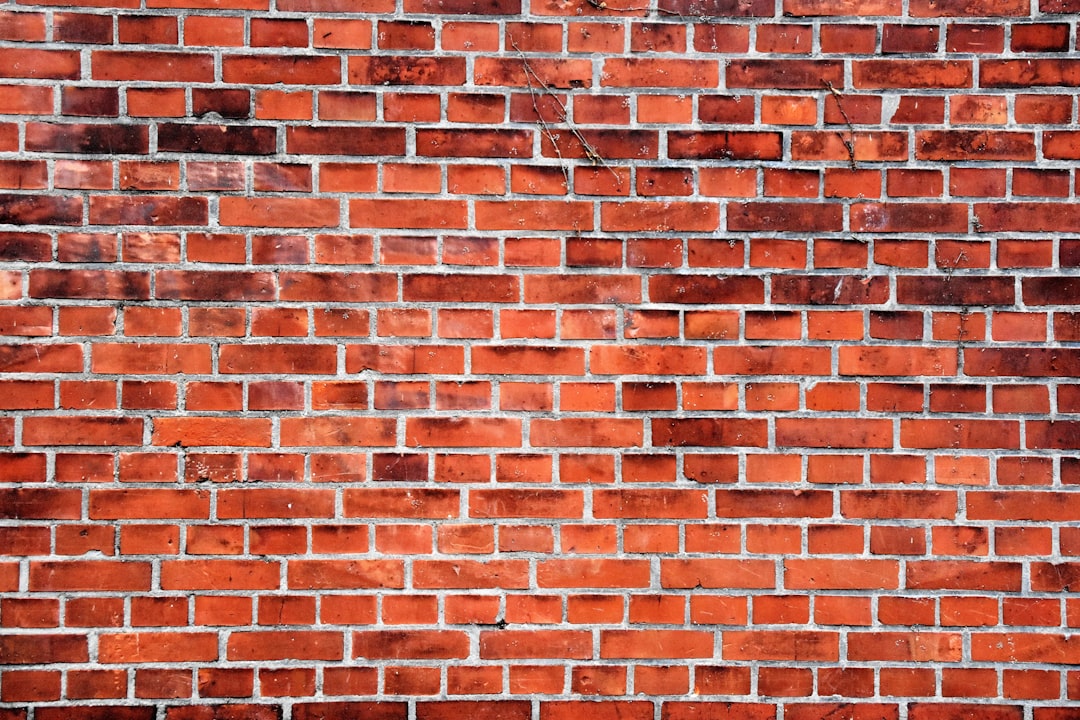
One thing often overlooked is how glazed bricks behave during installation. Since the glaze creates a slick surface, masons sometimes need to adjust their mortar mix or technique to ensure proper bonding. Experienced crews will test small sections first to avoid issues like slipping or uneven joints later on. Also, matching glazed bricks with standard bricks requires careful planning to prevent colour clashes or texture mismatches on façades where both materials are used.
Maintenance is straightforward but important for preserving appearance. Regular washing with mild detergents removes grime without damaging the glaze. Avoid abrasive tools that could scratch the surface and dull its shine. In commercial settings, having a cleaning schedule tailored to local conditions, whether dust from nearby construction sites or salt spray near coastal areas, helps keep the bricks looking fresh longer. These details make a difference between a façade that ages gracefully and one that looks tired prematurely.
If you’re weighing options for your next build or renovation, consider how glazed bricks combine aesthetics with practicality. They offer robust resistance to weather and stains while supporting energy efficiency goals through thermal regulation and reflectivity. Whether enhancing a new storefront or updating an older building, these bricks provide both character and longevity. For advice on selecting specific exterior wall materials suited to your project’s demands, talk to suppliers familiar with both design trends and site realities.