Step into a café that serves unfamiliar drinks and you’re stepping into a new world. Drinks like tangy tamarind juice or smooth coconut water don’t just quench thirst; they tell stories of distant lands. Instead of grabbing the usual soda, why not try something different? These beverages introduce you to flavors shaped by culture and tradition. It’s a simple way to expand your palate without leaving your chair.
Knowing what you want helps. Craving sweetness? Try a mango lassi, a thick, yogurt-based drink popular in South Asia made from fresh mangoes and a hint of cardamom. For something with a sharper edge, ginger beer offers a spicy, fizzy punch that wakes up your taste buds. Both are rooted in their regions’ ingredients and craft. They show how native plants and fermentation methods shape flavors.
Think about where these drinks fit in your routine or business. Cafés and restaurants can attract customers eager for adventure by adding exotic options. Hibiscus tea, with its deep crimson color and tart flavor, or passion fruit juice, bright and fragrant, can distinguish a menu. Pairing matters too. Mint lemonade alongside spicy dishes balances heat with cooling zest, a simple trick regulars appreciate. I’ve seen menus shift when owners experiment thoughtfully with pairings.
Understanding how some drinks come together adds depth. Fermentation is key in drinks like kombucha or kefir. It creates layers of flavor and introduces probiotics that many find helpful for digestion, though results vary between people. When servers explain these benefits honestly, customers feel more connected to the drink they’re enjoying. It’s worth learning basic fermentation steps; even home brewers often keep notes on timing and temperature to avoid off flavors.
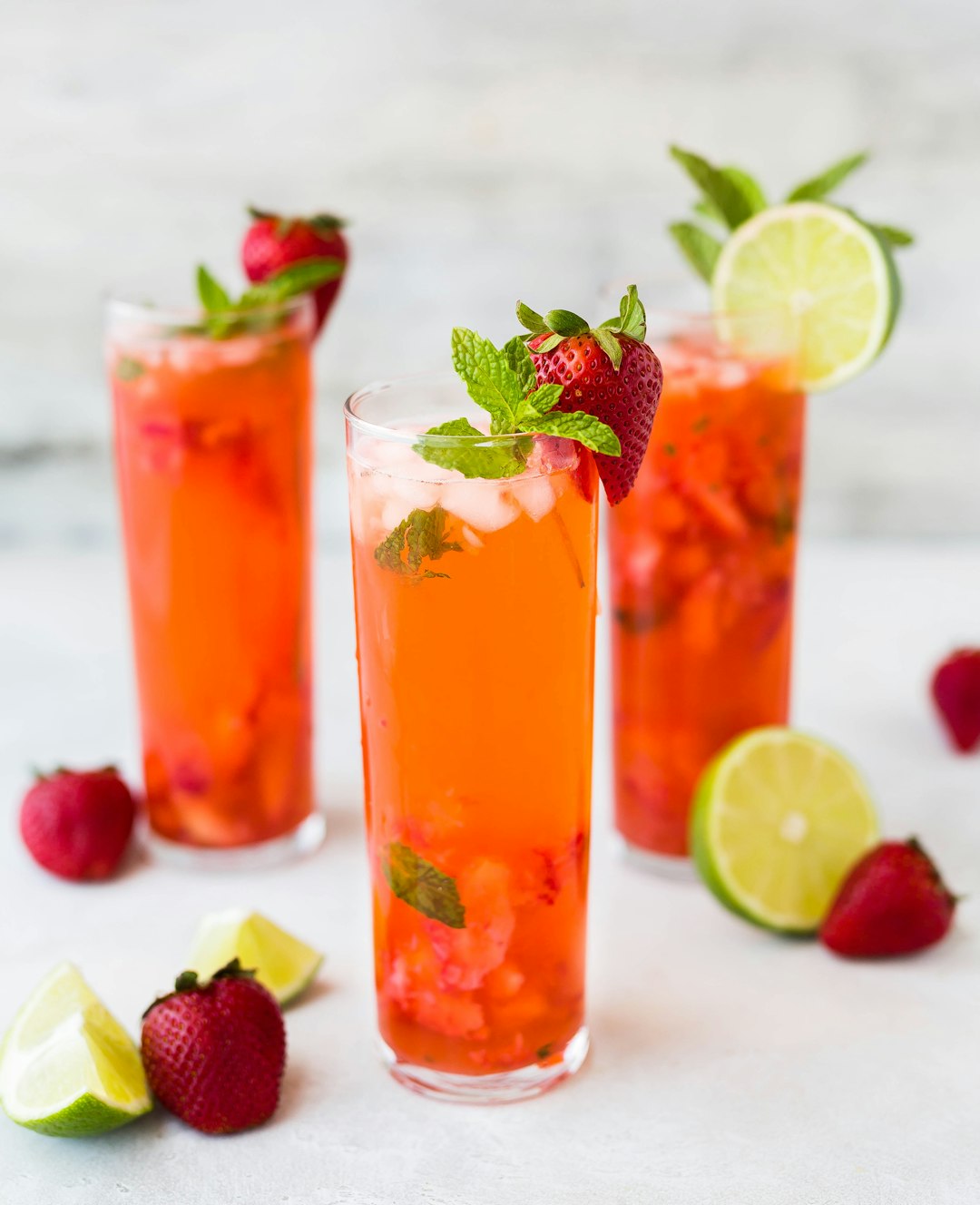
Presentation catches the eye and sparks interest. Exotic drinks often show off vivid hues and unique vessels. Think of Thai iced tea, bright orange with creamy swirls served in tall glasses garnished with a sprig of fresh mint or a slice of lime. These details can turn a simple drink into a conversation starter. Many small cafés I know use Instagram to showcase drinks like this, turning visual appeal into foot traffic.
If you want to explore more options beyond your local menu, check out sites focused on global beverages. Websites dedicated to exotic drinks and snacks offer descriptions that help match your taste preferences or dietary needs. Browsing these can save time and avoid ordering disappointments. I always recommend reading customer reviews and ingredient lists carefully, especially if allergies are a concern.
Quality ingredients are non-negotiable. Fresh fruits and authentic spices make all the difference. For example, real coconut milk transforms a piña colada from ordinary to memorable, while artificial flavors leave it flat. When sourcing, look for suppliers who specialize in these products or visit ethnic markets where freshness is usually better. I’ve found that keeping an ingredient diary helps prevent mix-ups during busy service hours.
Whether you plan to add exotic drinks to your menu or try them at home, each new flavor opens doors to cultures and traditions worth tasting. For more ideas and reliable sources, explore unique beverage options online.