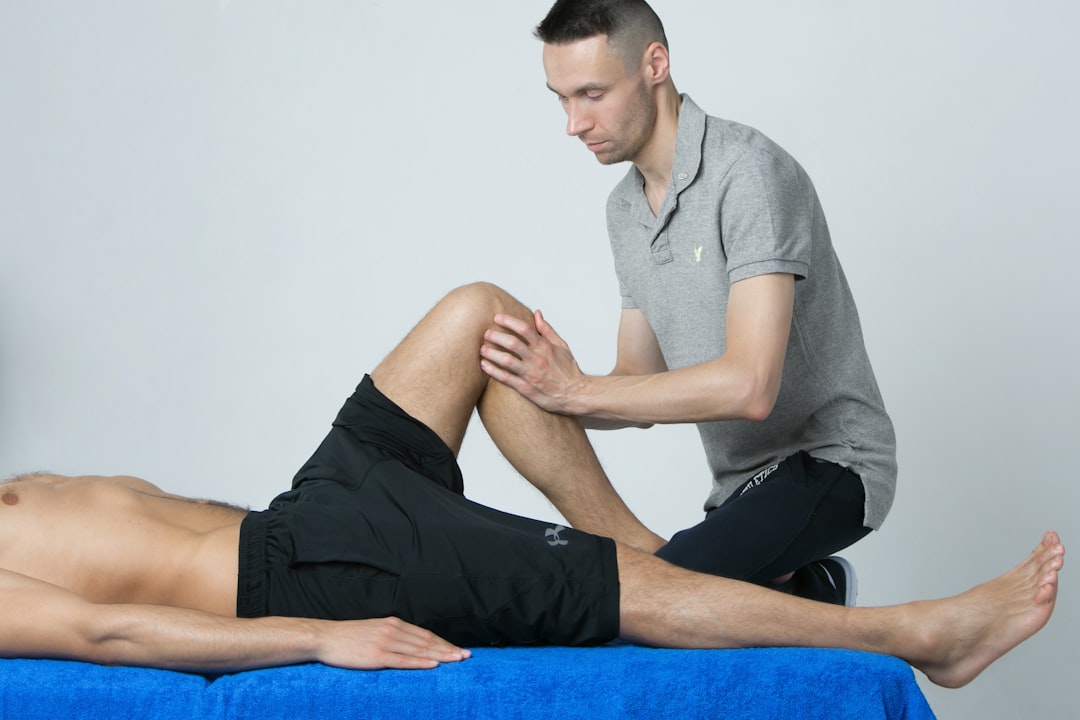
Waking up with sharp lower back pain can turn a normal day into a struggle. Many people in Dubai face this challenge, yet physiotherapy often gets pigeonholed as treatment just for athletes or post-surgery patients. That’s far from the truth. Physiotherapy addresses a wide range of problems, from persistent aches to recovery after accidents. A visit to a dubai physio clinic offers tailored care that helps restore movement and improve daily life, whatever your routine or fitness level.
Physiotherapy isn’t only about exercises. Skilled physiotherapists use hands-on manual therapy to ease muscle tightness and joint stiffness. They combine this with tools like ultrasound or electrical stimulation and provide guidance on posture and workplace ergonomics. For example, they might show you how to adjust your chair height or monitor position to avoid strain. Before starting treatment, a thorough physical assessment is common to pinpoint problem areas, which helps avoid unnecessary sessions later on.
Dubai’s fast-paced lifestyle often leads to unexpected injuries. Take a corporate worker sitting for long hours; neck and shoulder tension can build up quickly. A physio will check their desk setup and suggest practical changes, such as adding lumbar support or taking brief stretch breaks every hour. They’ll also prescribe exercises targeting specific muscles to reduce pain and prevent recurrence. This approach focuses on both immediate relief and long-term health, not just quick fixes.
There’s a myth that physiotherapy drags on endlessly. In reality, many patients notice progress within a few visits. For instance, someone with a sprained ankle might regain strength and balance after targeted rehab exercises in a few weeks. Consistent follow-up appointments often involve reassessing progress and tweaking the plan rather than starting over. This efficiency suits busy people who want to get back to work or sports without unnecessary delays.
Physiotherapy also plays a role in managing chronic conditions that affect movement, such as arthritis or diabetes-related nerve issues. Therapists teach coping strategies like joint protection techniques or safe ways to stay active despite pain. Patients often receive advice on pacing activities to avoid overexertion and instructions on home exercises that maintain mobility between sessions. Understanding one’s condition helps reduce frustration and increases confidence in managing symptoms.
Technology is increasingly part of physiotherapy care in Dubai clinics. Treatments like dry needling or shockwave therapy are used alongside traditional methods to target stubborn muscle pain or tendon problems more effectively. These techniques may speed up recovery by stimulating tissue repair and reducing inflammation. A physiotherapist will decide when these modalities fit best within an individual’s treatment plan, balancing benefits with any potential discomfort during application.
Dispelling misconceptions about physiotherapy encourages more people to seek help for pain and movement issues. Whether it’s adjusting your workstation or trying advanced therapies, the goal is to improve how you function daily. Many patients find that physiotherapy helps them stay active longer and reduces the risk of future injuries. Clinics in Dubai often provide detailed assessments and personalized plans designed around each person’s lifestyle and needs.
Residents have easier access than ever to specialized physiotherapy services in Dubai. Before starting treatment, it’s common for therapists to review your medical history carefully and discuss realistic goals, which helps set clear expectations. Regular progress notes keep everyone informed and can be shared with your doctor if needed. Taking the time to find a clinic that offers hands-on care along with modern techniques makes a difference in achieving lasting results.
If you’re dealing with pain or limited movement, consider reaching out to a local physical therapy options in dubai provider to explore what type of support suits you best. Early intervention often means faster recovery and fewer complications down the line.