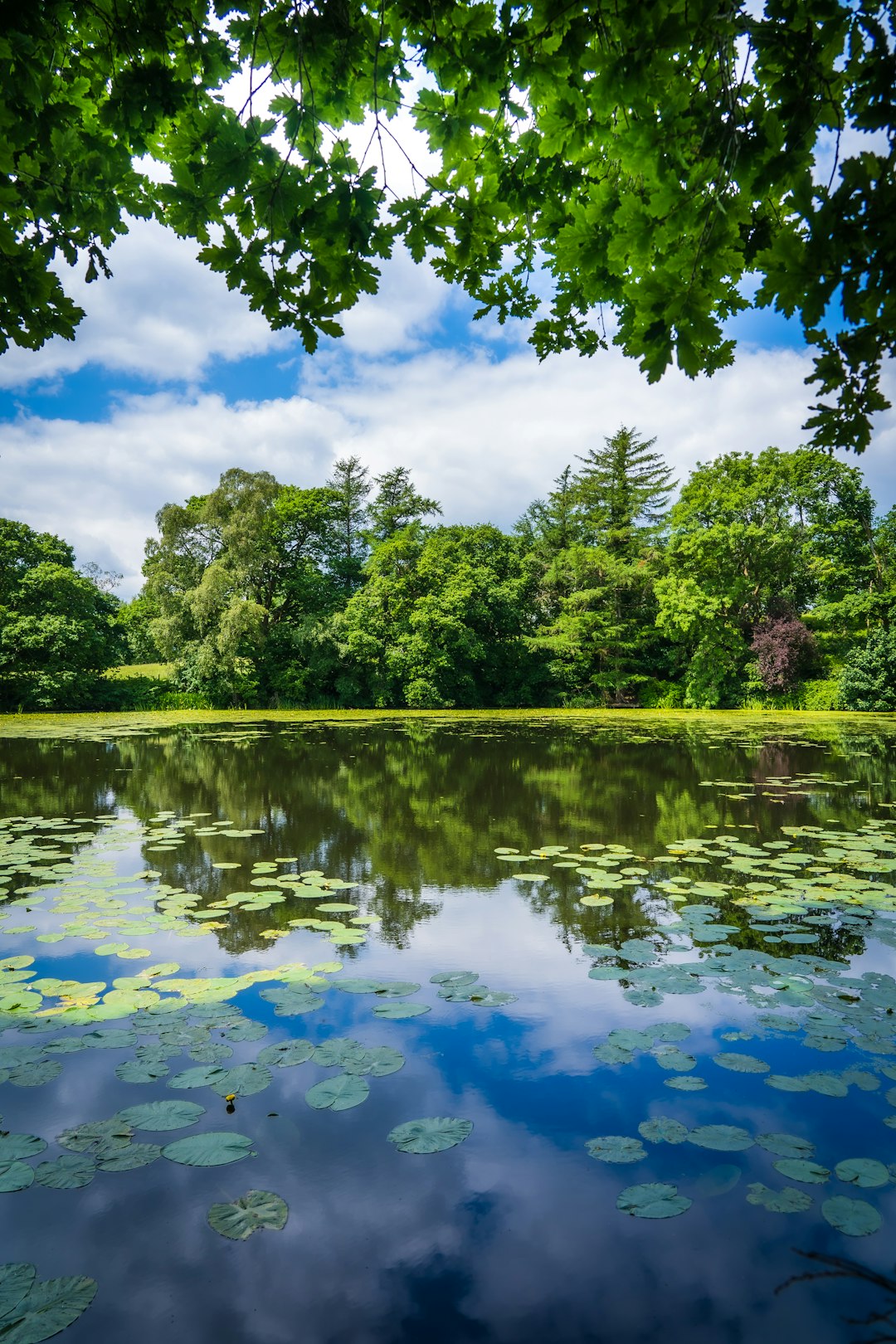
Picture stepping outside and hearing water trickling over stones, framed by thriving plants and bright flowers. Building a pond like this in Ontario takes more than just digging a hole and filling it with water. Homeowners often get stuck on design choices or the technical bits of installation. Understanding what works locally will help you build a pond that not only looks good but lasts and supports wildlife.
Start by picking the right spot. Avoid areas under big trees; falling leaves clog ponds and create extra work. Partial sunlight is best to keep water from overheating while allowing plants to grow. Take note of nearby natural water sources, too, if you’re close to wetlands, expect visits from frogs or birds that might change your pond’s balance. A well-chosen location saves headaches later and keeps your pond healthy.
Design your pond with the space around it in mind. A tiny round pond can look odd in a large yard with mature trees. More natural shapes like ovals or irregular forms blend better into the landscape. Think about adding features that bring movement and sound, such as a small waterfall or fountain. These details don’t just improve the look; they also help oxygenate the water, which benefits fish and plants.
For construction, decide between preformed liners or flexible ones. Preformed liners speed up installation but limit shape options. Flexible liners require more work but let you craft unique designs. Don’t forget filtration and aeration systems, they keep water clear and prevent algae blooms. Installing these correctly means less maintenance down the line, a common mistake is underestimating how much care ponds need to stay balanced.
Landscaping around your pond is key. Plant native species like cattails or irises along the edges. They stabilize soil and provide shelter for beneficial insects and birds, helping the ecosystem thrive naturally. Avoid invasive plants that can take over quickly and create more problems. Practical tip: mark your planting areas clearly before digging to prevent damage to liners or piping during landscaping.
Maintaining your pond requires regular checks. Remove fallen leaves and debris weekly to avoid decay that clouds water. Monitor water levels, especially after heavy rain or dry spells, since fluctuations can stress aquatic life. Keep filters clean and replace parts as needed to avoid system failures. Using rainwater collection for top-ups reduces reliance on tap water and supports sustainability.
If you’re serious about building a pond, consulting horticulturalists or pond builders can save time and money. Professionals can spot issues you might miss, like soil type suitability or local bylaw restrictions on water features. Having an expert review your plan before digging can prevent costly mistakes, like installing pumps in unsuitable spots or choosing incompatible plants.
Creating a pond reflects more than garden style, it’s about building an environment that suits your lifestyle and supports nature around you. Focus on thoughtful design, practical maintenance habits, and ecological balance to create a garden feature that grows better with each season. For guidance on pond construction in Ontario, visit pond construction ontario.
For advice on transforming your outdoor space with natural elements, check out garden water features ideas. They offer useful tips to help your project thrive.