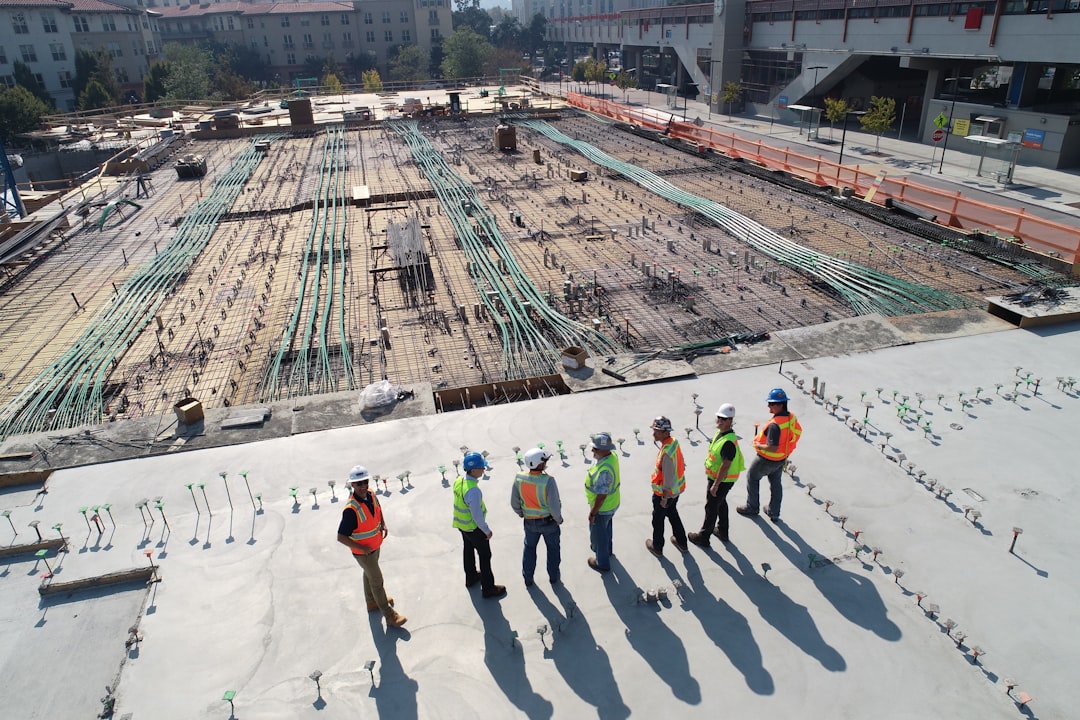
Arriving at a construction site only to find equipment missing is a frustrating reality for many. Construction sites attract thieves because machinery and materials are expensive and often left unsecured. Without solid security plans, projects suffer financial hits, delays, and rising insurance costs. Owners need to treat security as a fundamental part of site management, not an afterthought.
Controlling who gets on site is vital. Restricting access to authorized workers cuts down theft and damage. Systems using ID cards or biometric readers help keep tabs on who enters sensitive zones where costly gear is stored. A manager spotting unknown people wandering should question how well access rules are enforced and whether monitoring is done properly.
Night brings added risks that some underestimate. Locking up tools isn’t enough. Cameras covering entry points and dark corners, combined with construction site security guards patrolling after hours, deter criminals looking for easy targets. Guards familiar with the layout can spot unusual activity faster than cameras alone.
Security personnel must know more than just how to stand watch. Guards need training specific to construction risks, like spotting suspicious behavior around heavy machinery or understanding emergency protocols for onsite hazards. Without this, they might miss warning signs or respond improperly, increasing vulnerability.
Clear communication channels between guards and site supervisors improve how swiftly problems are handled. For example, if a guard notices a fence tampered with or hears noises out of place, they should have a direct line to local law enforcement and site management. Regular briefings keep everyone aware of emerging concerns and how to react.
Investing in technology boosts security effectiveness. Mobile patrols equipped with GPS allow supervisors to track guard routes in real-time, ensuring no area is neglected. Data from these systems can reveal patterns, like frequent breach attempts at certain gates. Remote monitoring setups and alarm systems alert guards immediately when breaches occur, allowing quicker intervention.
Training site staff on simple habits helps too. For instance, logging equipment movement in a daily checklist prevents misunderstandings about missing tools. Having a routine spot check at shift changes ensures guards and workers confirm equipment presence together, reducing false alarms and confusion.
Construction companies should develop tailored security plans based on their site’s layout, schedule, and equipment value. Prioritizing controlled access, specialized guard training, open communication, and smart technology creates a stronger defense against theft and vandalism. Those wanting to improve their approach can start by exploring services focused on onsite construction risk management, which offer practical guidance aligned with real-world challenges.