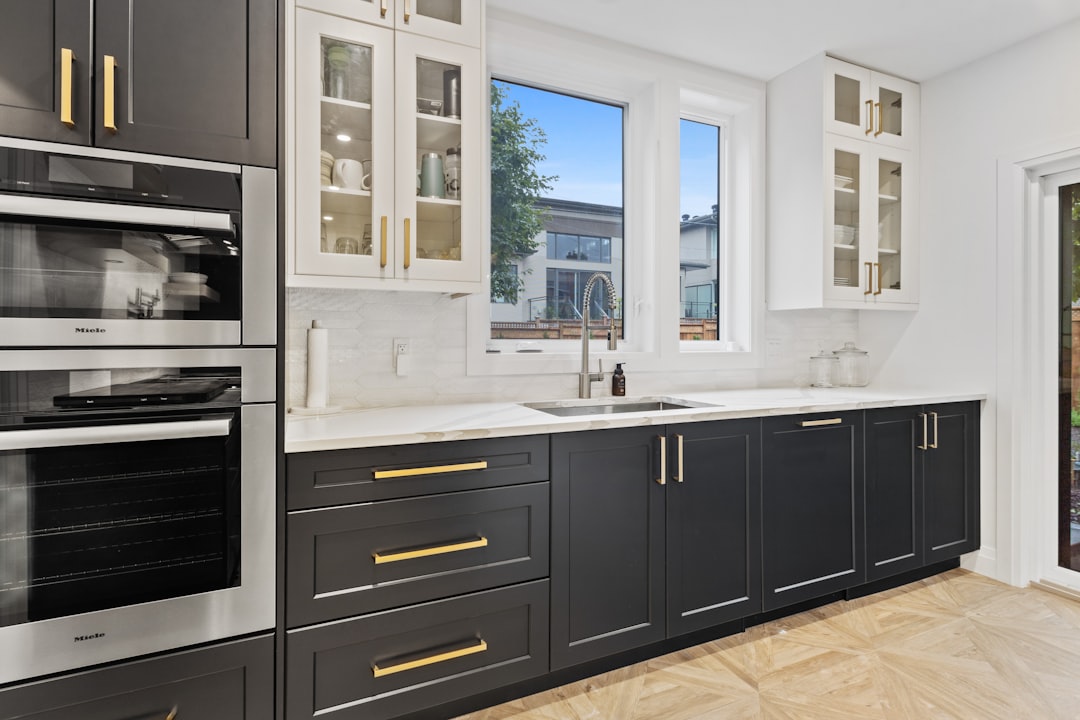
Walking into your kitchen and feeling like it’s new doesn’t always mean a full remodel. Cabinet refacing lets you swap out doors and drawer fronts while keeping the existing cabinet boxes. It’s a smart way to update your kitchen without the mess and cost of tearing everything out. The style options are broad, fitting anything from sleek modern looks to more classic designs.
Refacing involves replacing the cabinet doors, installing new hardware like handles and hinges, and applying a fresh finish, whether that’s paint, stain, or veneer. One thing to remember: if the cabinet frames have damage or heavy wear, those issues need fixing before or during the refacing. Otherwise, the new surfaces might not sit flush or could show imperfections over time. A simple inspection is often overlooked but saves headaches down the line.
For landlords or business owners with rental kitchens or commercial spaces, refacing can be a budget-friendly upgrade. Outdated cabinets often turn renters away. Instead of a full renovation that could take weeks and leave units empty, kitchen refinishing offers a quicker turnaround to boost appeal. Restaurants can also benefit by refreshing cabinets during slow hours without shutting down their kitchens for days.
Choosing materials impacts both cost and durability. Solid wood doors last long and age well but can be pricey. Laminate options offer varied colors and textures at a lower price, though they might not hold up as well under heavy use. Some homeowners opt for medium-density fiberboard (MDF) with a veneer finish for a balance of style and budget. Knowing these trade-offs helps avoid surprises once the project starts.
Timing matters too. Most cabinet refacing jobs wrap up within a week or two depending on kitchen size and complexity. This contrasts sharply with full renovations that can drag on for months and disrupt daily routines. Planning around work schedules or family needs is easier when the turnaround is shorter. Also, installers often recommend removing all cabinet contents before they arrive, this small step speeds up the process and reduces risk of damage to your belongings.
After refacing, consider adding functional upgrades like pull-out shelves, lazy Susans, or vertical dividers. These tweaks maximize storage and make cabinets easier to use daily. They’re often inexpensive compared to the overall project but add noticeable convenience. A common mistake is skipping these additions initially because they seem minor, only to regret it later when space feels cramped again.
If you want to explore options or see what’s possible, there are plenty of online galleries and forums where people share before-and-after photos and tips. Talking to someone experienced in cabinet refacing can clarify what fits your kitchen’s condition and style goals without overspending. When you’re ready to move forward, ask about kitchen updates. Small changes can transform how you feel about your cooking space.