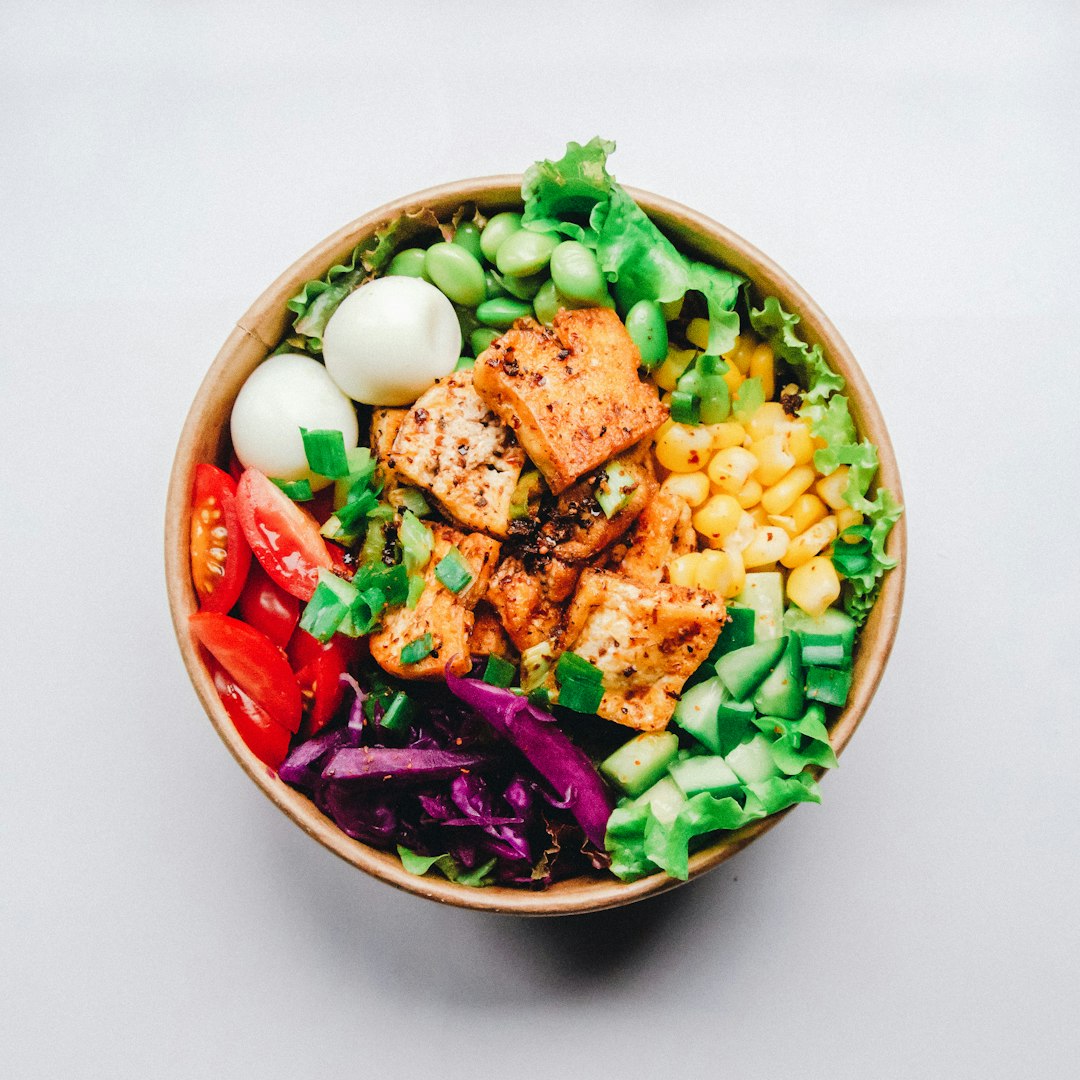
Feeling bloated can be uncomfortable and frustrating, often accompanied by a tight, full sensation in the abdomen. Whether it’s triggered by certain foods, hormones, or digestive issues, bloating can interfere with your daily life. Fortunately, choosing the right foods can make a noticeable difference in how you feel. By focusing on ingredients that support digestion and reduce fluid retention, you can help your body feel more balanced and less bloated.
One of the most effective strategies for relieving bloating is to include potassium-rich foods in your meals. Bananas, avocados, and sweet potatoes are all excellent options. These foods help regulate sodium levels in the body, which can reduce water retention and ease bloating. Additionally, they are easy to digest and gentle on the stomach.
Fiber is another key nutrient to consider, but moderation is important. While dietary fiber supports healthy digestion and regular bowel movements, consuming too much insoluble fiber quickly can worsen bloating. Soluble fiber, found in foods like oats, carrots, and apples, tends to be gentler and can support digestion without causing excess gas. Drinking plenty of water alongside fiber-rich meals also helps move things through the digestive tract efficiently.
Fermented foods such as yogurt, kefir, sauerkraut, and kimchi are rich in probiotics, which promote a healthy gut microbiome. A balanced gut can improve digestion and reduce bloating over time. If you’re not used to eating these foods, start slowly to allow your system to adjust. For more on how your diet can influence digestive comfort, visit a comprehensive guide on nutrition and wellness.
Another group of foods that can help relieve bloating includes those with natural diuretic properties. Cucumbers, asparagus, and parsley are known to help flush excess fluids from the body. These foods are not only hydrating but also support kidney function, which plays a role in managing fluid balance. Ginger and peppermint are also beneficial for calming the digestive system. Drinking ginger or peppermint tea can help relax intestinal muscles and relieve the pressure that causes bloating.
It’s also important to watch for foods that may contribute to bloating. Cruciferous vegetables like broccoli and cabbage, as well as legumes, contain compounds that can cause gas during digestion. While these are healthy foods, some people may need to limit them when experiencing frequent bloating. Keeping a food diary can help identify specific triggers.
For a more detailed look at the best foods to eat when bloated, check out expert advice and practical tips from certified nutritionists. They offer insights into how dietary choices can support a more comfortable digestive process.
Incorporating these foods into your diet gradually and paying attention to how your body responds can go a long way in managing bloating. Everyone’s digestive system is different, so it may take some experimentation to find what works best for you. Prioritizing hydration, balanced meals, and mindful eating habits can help reduce bloating and support overall digestive health.