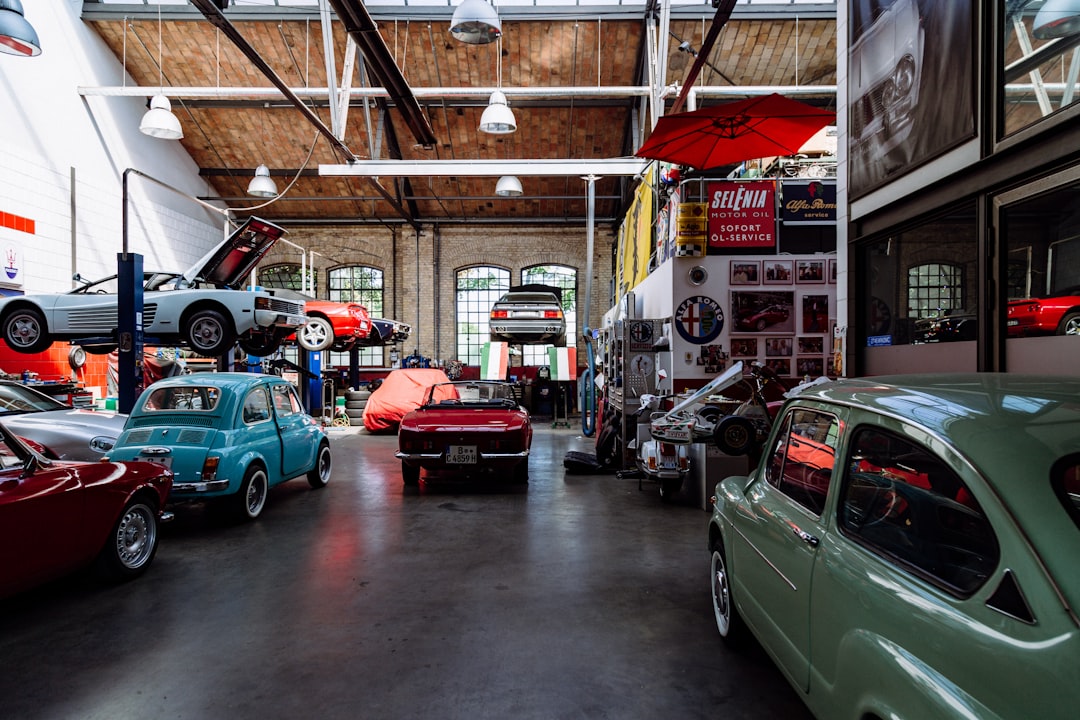
When it comes to automotive service equipment, safety and reliability are essential. A car lift is one of the most critical tools in any garage or service center, and ensuring that it meets strict safety and performance standards is non-negotiable. That’s where ALI certification comes into play. ALI, or the Automotive Lift Institute, is a third-party organization that sets rigorous safety and performance standards for vehicle lifting systems in North America.
An ALI certified car lift assures users that the product has undergone extensive testing and meets all applicable safety regulations. Certification includes a thorough evaluation of the lift’s design, construction, and operation. It also involves ongoing factory audits and product testing to ensure continued compliance. This process helps technicians and shop owners trust that their lift will perform safely under the stresses of daily use.
The certification also addresses user safety by requiring manufacturers to provide clear and consistent instructions, labels, and safety warnings. For shop owners, this may influence insurance rates or compliance with local safety regulations. The presence of the ALI gold certification label indicates that the lift has met these high standards and is recognized industry-wide as a symbol of trust.
There are several types of vehicle lifts that can be ALI certified, including two-post lifts, four-post lifts, scissor lifts, and portable lifts. Each lift type serves different needs depending on the type of vehicle and service being performed. For instance, a ali certified car lift in the pantograph category is ideal for heavy-duty applications requiring superior lifting capacity and stability. These lifts are engineered for precision and can enhance both operational efficiency and workplace safety.
Choosing an ALI certified lift also means investing in long-term reliability. Certified lifts are typically backed by better warranties and customer support, which can reduce downtime and maintenance costs over the life of the equipment. Additionally, technicians are more likely to trust and effectively use a lift that complies with ALI standards, improving morale and productivity.
Training is another crucial aspect of using any certified car lift. ALI certification ensures that manufacturers offer appropriate training resources, helping technicians understand proper lift operation and maintenance procedures. This reduces the risk of misuse and contributes to a safer working environment. Regular inspections and adherence to manufacturer guidelines are essential for maintaining certification compliance and operational safety.
In recent years, as vehicle design continues to evolve with electric and hybrid models, the need for dependable, versatile lifting equipment has only increased. ALI certification adapts to these changes by updating testing criteria to meet current industry demands. This ensures that certified lifts are compatible with a wide range of vehicle types, including those with unique weight distributions or undercarriage designs.
The benefits of ALI certification extend beyond just safety and reliability. It also reflects a commitment to professionalism and quality. For businesses, this can enhance reputation and customer trust. Clients are more likely to return to a service center that visibly prioritizes safety and uses certified equipment. This is especially important in competitive markets where trust and credibility drive customer loyalty.
For those interested in exploring a wide selection of certified lifting solutions, professional-grade vehicle lifts are available from manufacturers who align with ALI standards. These manufacturers often offer a range of lift types tailored to meet specific service needs, whether for light-duty repairs or heavy-duty commercial applications.
Ultimately, choosing an ALI certified car lift is a decision rooted in responsibility and foresight. It ensures compliance with industry regulations, enhances workplace safety, and supports long-term operational success. For anyone involved in automotive maintenance or repair, it’s a choice that underscores the importance of doing the job right—safely and efficiently.